
The Captain's Log and everything around it — published weekly.
Where to tie up, what to order, which markers to trust.
Explore the Dog River Neighborhood
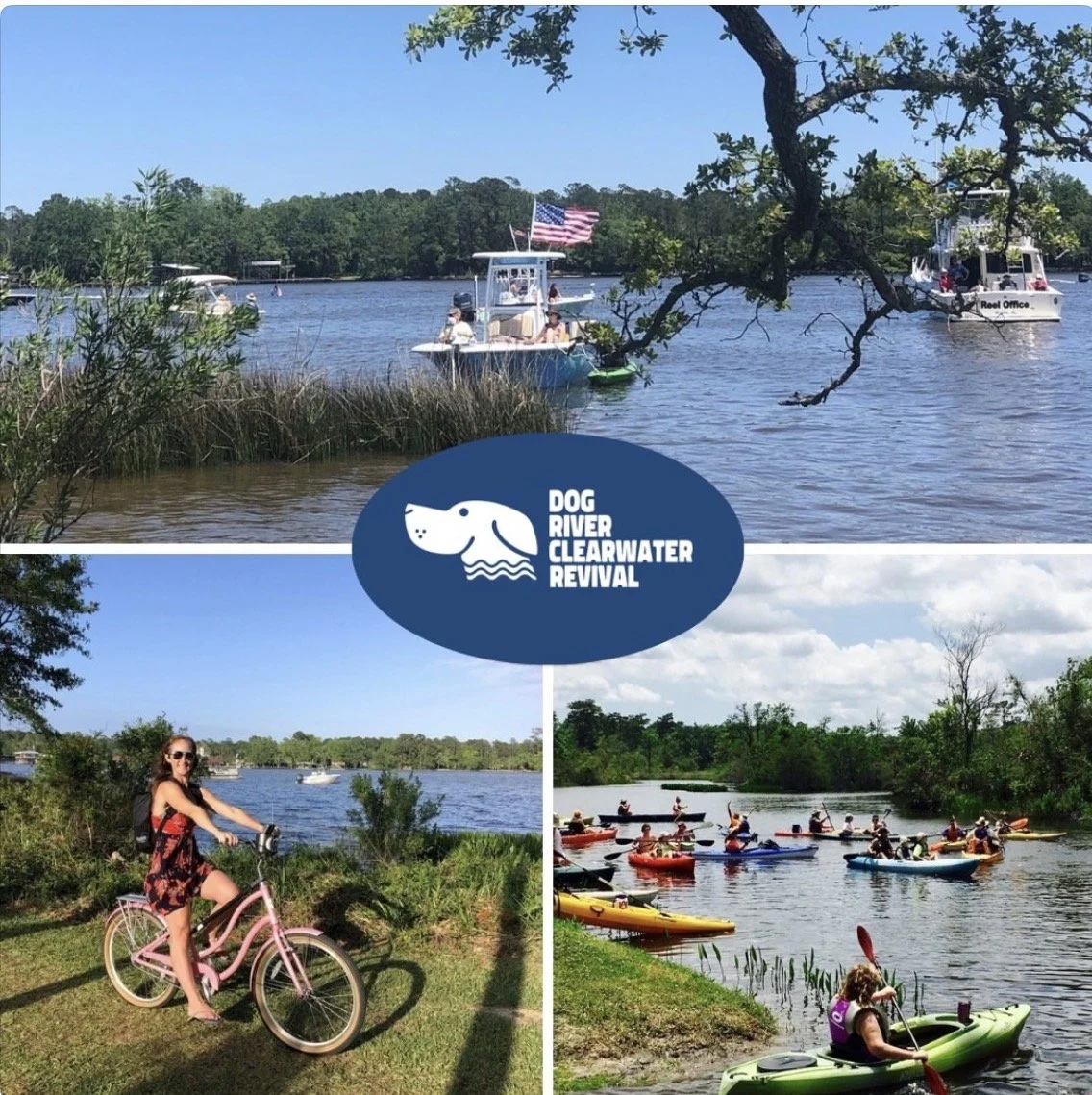
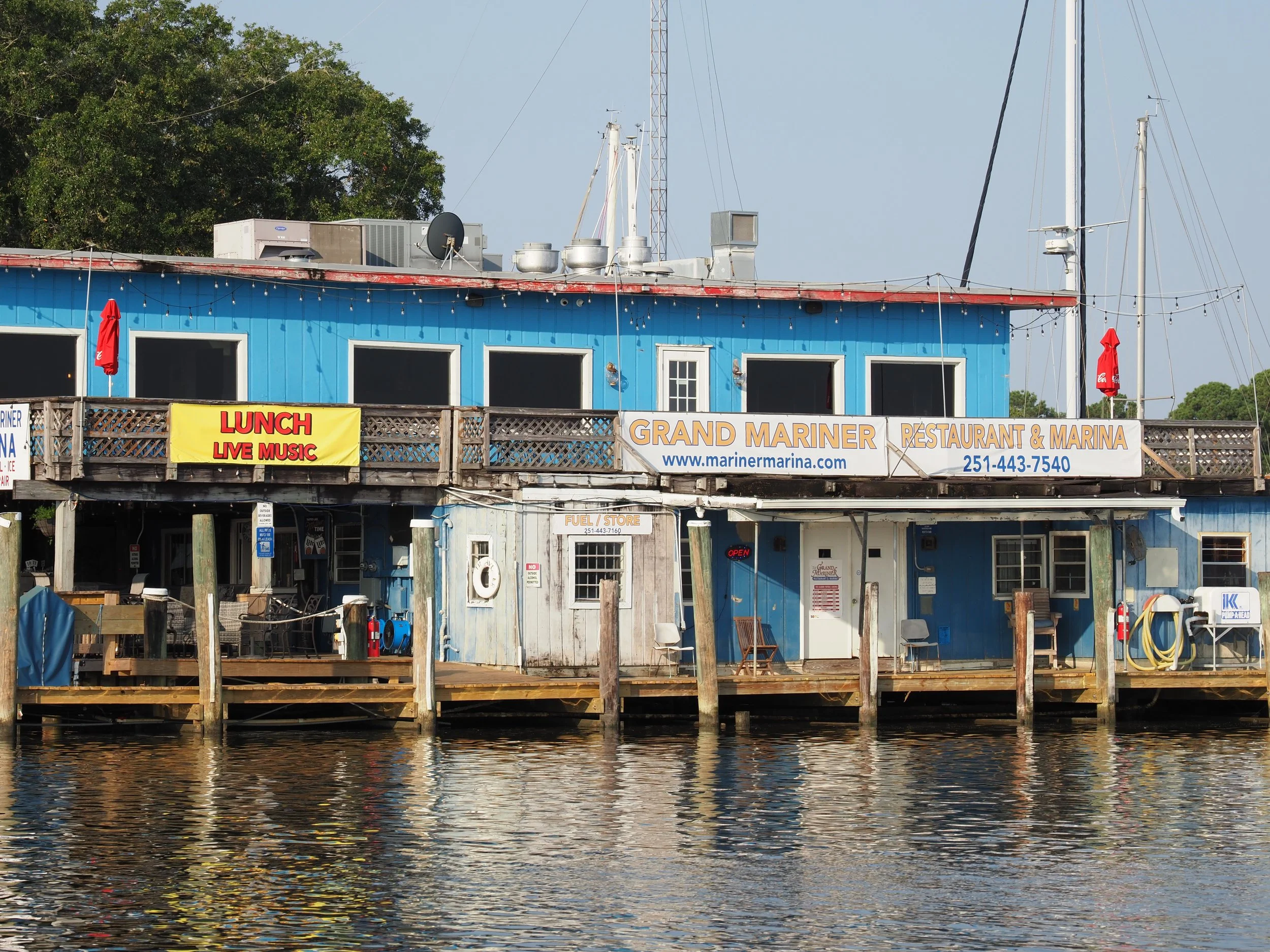
Come under the Dog River Bridge on a fall Saturday and the first thing you notice is the traffic — center consoles idling toward the fuel dock, a sailboat waiting on a crane, a skiff with three kids and a cooler. On October 3 for the Dog River Clearwater Revival Fishing Tournament there'll be a line of boats off the Grand Mariner with redfish on ice by 3:00 PM. We went back three hundred years to find out why this river is worth fighting for, and nobody can agree on how it got its name.
Other People's Lists: The National Press Keeps Finding Our Coast
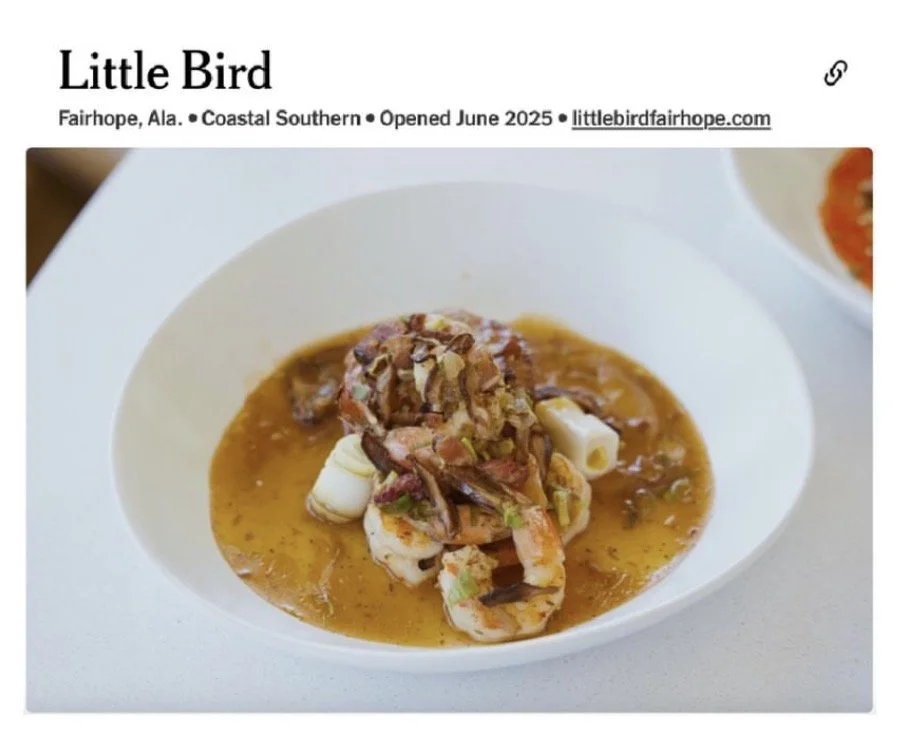
Dockside Guide started as a list on a napkin. This week, other people's lists caught up with us. Huckberry ranks Callaghan's Irish Social Club in Mobile the No. 1 dive bar in America — ahead of every bar in New Orleans and Texas. Southern Living's 25 legendary Southern dive bars includes two we reach by boat: Flora-Bama and Pirate's Cove. And on Wednesday, The New York Times named Little Bird in Fairhope one of the 50 best restaurants in America. Only two Alabama restaurants made the list.
This one's a little off the chart for us. But the brand is EAT · BOAT · STAY, and people a long way from here are starting to notice how this coast eats. The full Docklines post has the history behind each place, a rumor from Dog River I hope turns out to be true, and the Sunday fried chicken dinner in Josephine that I found years ago by following my nose off the water. You can wade ashore for it, and there are two left this year.
The Quiet Peak of the Hurricane Season
The Quiet Peak
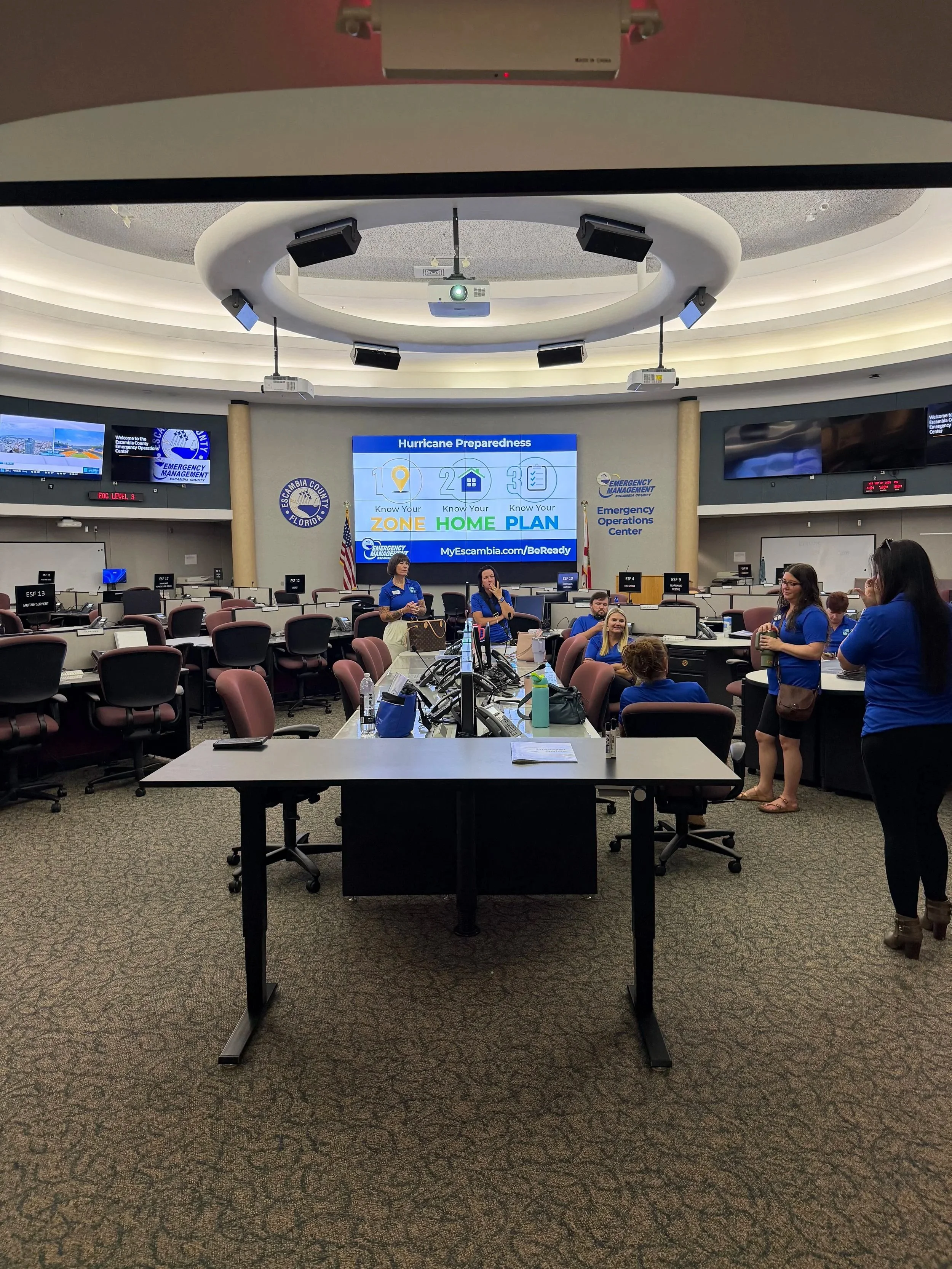
September 10 is the traditional peak of hurricane season, and the Gulf is flat. A super El Niño is shearing storms apart before they can organize. I spent this week's leadership class inside Escambia County's Emergency Operations Center, where about 40 agencies gather in a storm to decide when the evacuations, closures and shelter openings happen. Ivan and Sally both came ashore on September 16, so a quiet September doesn't mean the season is over.
Know your zone. Know your home. Know your plan.
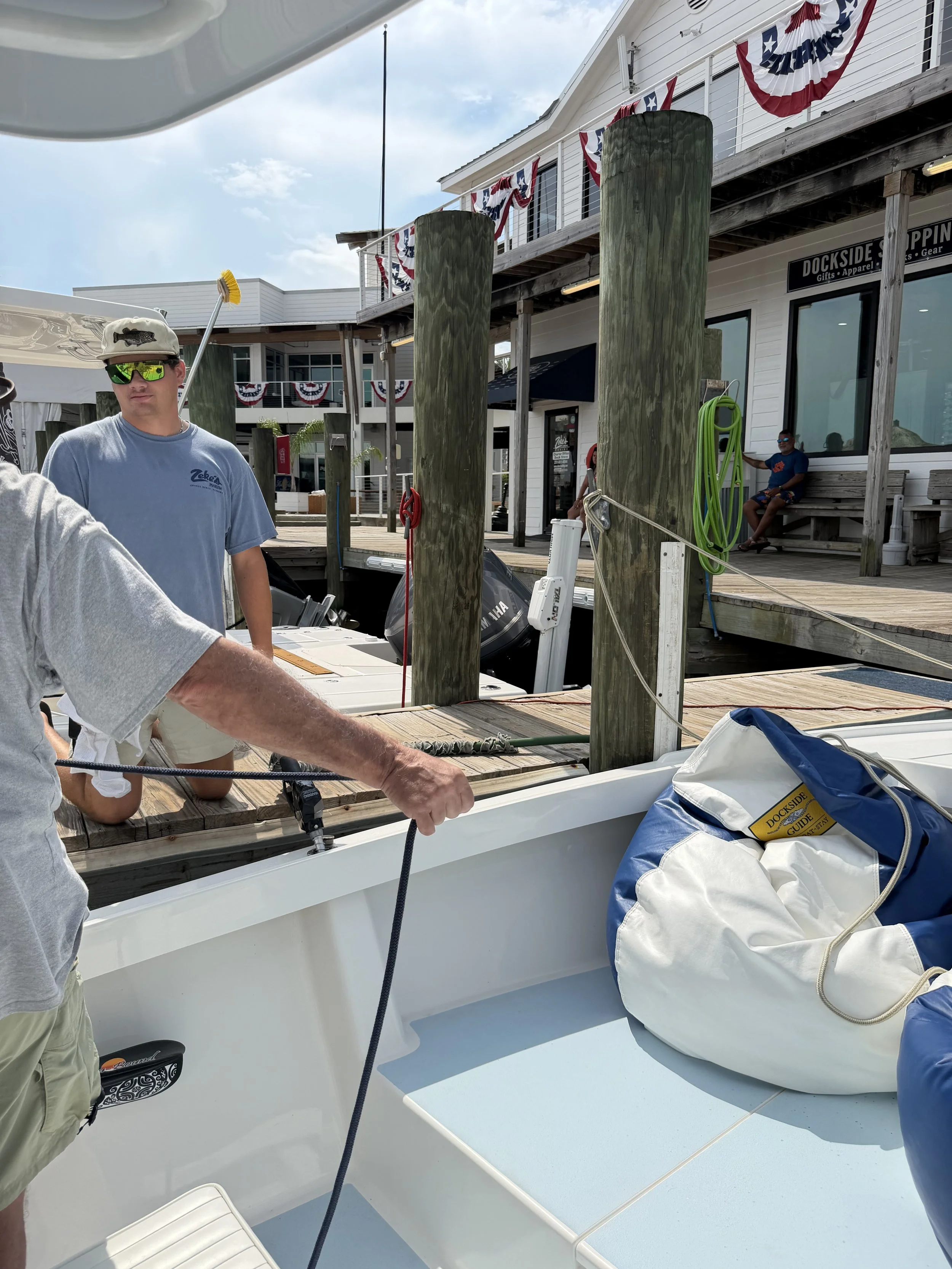
The Last Full Crew: Labor Day on the Working Waterfront
Rule 43 was the last of the forty-three we ran back in July, and it was last for a reason: be a good guest — tied up right, spending money, leaving it cleaner than you found it. Every rule above it was about not being that guy. Own your wake. Clip the kill switch. Necessary, all of it, but that’s a low bar. Forty-three is the one that asks for something more, and this is the weekend it comes due.
Here’s what Labor Day actually is down here. By Tuesday the seasonal help is back in school, the seven-night music calendars drop to four, and kitchens that carried a full line since Memorial Day start cutting shifts. Which makes right now the last stretch of the year when the whole coast runs at full strength at the same time — and the people running it are working on the one holiday that’s nominally about them. The dockhand catching your lines in a crosswind. The kid pumping ninety gallons in the sun with six boats stacked up behind you. The mate who’s been rigging baits since 4:30 AM. The server who got triple-sat at eight o’clock. Not one of them gets Monday off.
So double it. Rule 16 says five or ten to the dockhand — make it twenty through Monday, cash, hand to hand, not to the counter. Twenty-five percent to the server. Twenty percent to the mate, directly, at the dock. Cash in the musician’s bucket. And the free part some of them will tell you matters more: learn a name, say it, then come back in three weeks when it’s quiet and use it again. The full log runs the coast top to bottom — the Grand Mariner on Dog River, the Pelican Pub on Aloe Bay, and fireworks over the Wharf every night through Monday — with the hours flagged where a couple of them go dark on the holiday.
READ THE FULL LOG ON DOCKLINES →
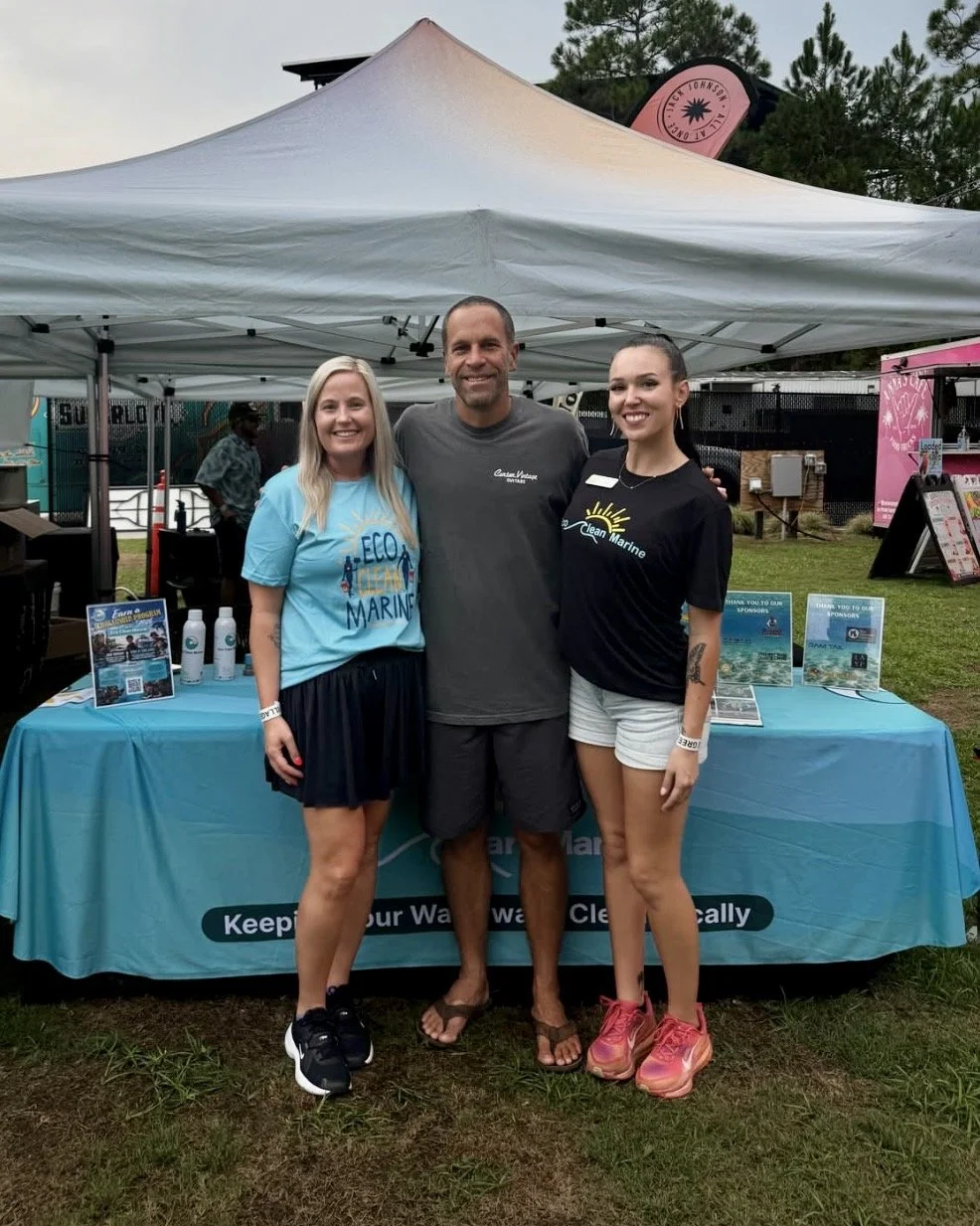
Just a Wednesday: Jack Johnson, Nine Nonprofits, and Matching Grants for the Gulf
Credit for this week’s post goes to Courtney Dombroski at Eco Clean Marine — her email this morning (“We Met Jack Johnson and hit our $2,500 goal”) is what I wanted to share this week. Her table alone: $2,500 raised, $2,500 matched, $500 base. $5,500 for our Gulf on a Wednesday.
Find a group you like and help keep our waters and beaches clean! Our waterfront environment is the primary driver for our economy and the lifestyle we enjoy!
See you on the water!
Pick up the line: Eco Clean Marine’s next cleanup is Saturday, August 29, at Papa Rocco’s in Gulf Shores — details at mycleaneco.com.
The Better Half: The Best of Summer Starts After the Buses Run
Back in June I called the solstice a clock — seven weekends, I said, then the buses run. Well, the buses are running, and I owe you the other half of that letter. Down here the calendar and the water keep different books, and the water's book says we're only halfway.
BUTTON (slot 1): READ THE FULL LOG ON DOCKLINES →
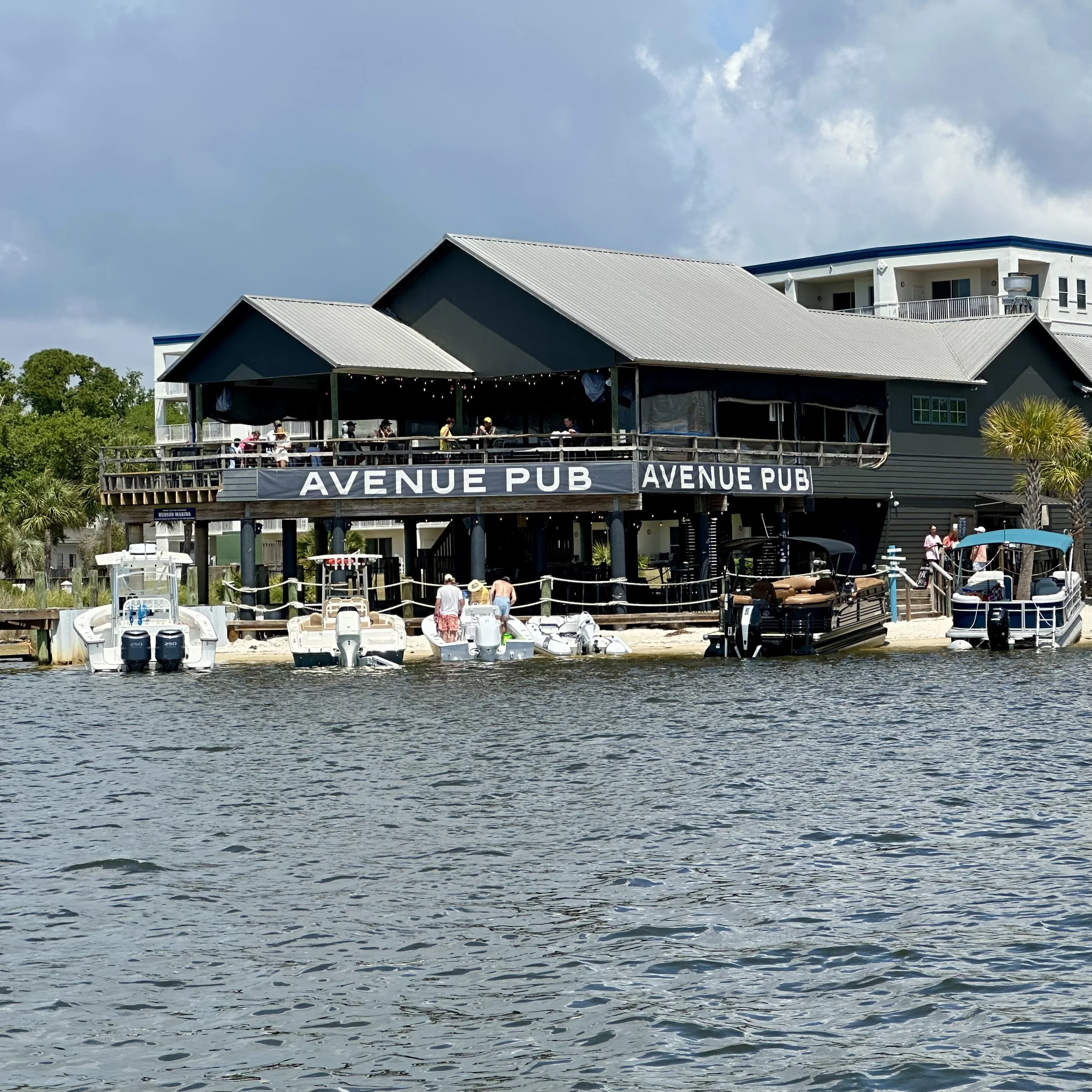
The buses have been rolling a week now, and it is already happening — the crowds go home and the water comes back to you. The pass, the anchorage, the ramp at 6 AM. Go out on a Tuesday evening now: sea breeze laid down, light gone gold, the bay slick and empty. You could run from Perdido Pass to Wolf Bay and count the other boats on one hand. This is the locals' stretch, and it runs from here to Christmas.
It's the season for the ones who waited out the summer — the retiree who hid from the crowds, the empty-nesters with a quiet boat, the pontoon crew that owns the fall. The water's still warm (my kids swim till November 1st), the evenings are perfect, and you can finally tie up at Tacky Jacks, Zeke's, or Tin Top at sundown and walk rig
Stand On or Give Way?
A Power Boater's Rules of the Road
You've felt it — two boats closing on the same patch of water on the ICW, nobody sure who's supposed to move, both captains waiting to see how the other reacts. That half-second of doubt is exactly what the Rules of the Road were written to erase.
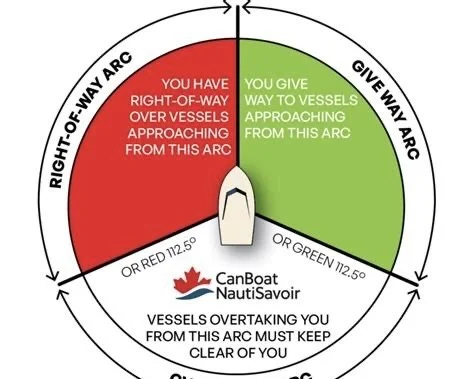
Here's the first thing to unlearn: out here, nobody truly owns the “right of way.” Every meeting has two roles — a stand-on vessel that holds course and speed, and a give-way vessel that acts early and wide. Power boat to power boat, it comes down to three situations: meet head-on and you both turn to starboard, passing port to port; in a crossing, the boat on your starboard side is stand-on and you give way; and the boat overtaking from behind always keeps clear. Add other vessel types and power boats sit near the bottom of the ladder — you yield to sailboats, to boats fishing with gear out, and to anyone not under command. But the rule that beats every diagram is simple: the Rules never give anyone the right to cause a collision. Give way early, make it obvious, and remember — being right doesn't buff out fiberglass.
The full breakdown — the sound signals, the vessel pecking order, and where to take a class (including the last USCG Auxiliary course of the season in Daphne on August 15, and The Captain's School in Gulf Shores) — is on Docklines.
By Water, Always by Water: Why Dockside Guide Exists
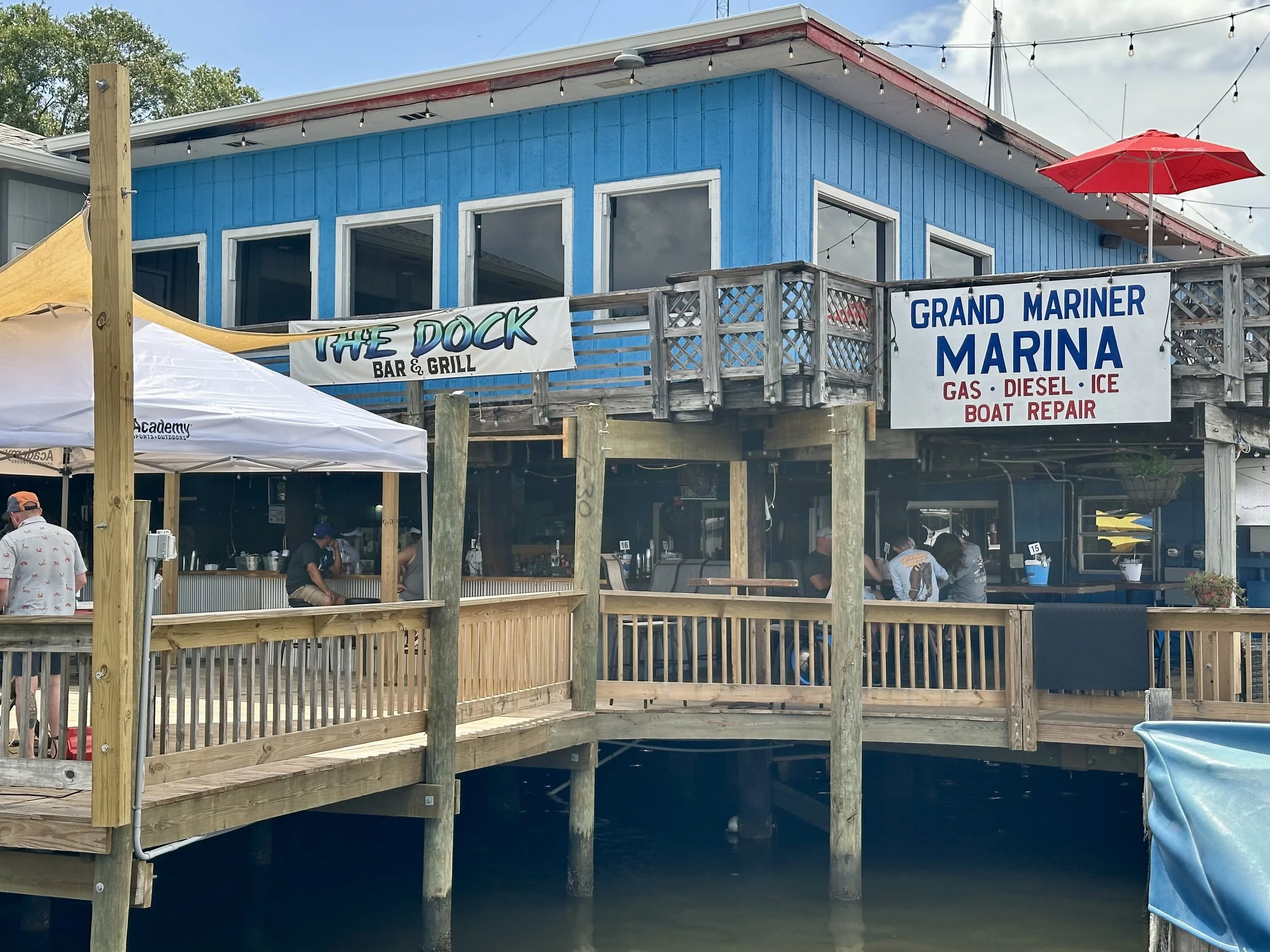
If you've ever idled where the Intracoastal meets Mobile Bay and wondered where to go, whether there's enough water to get there, and whether there's a cleat to tie to on the other side, that question is the reason Dockside Guide exists. We point you to the local spots you can pull your boat right up to — the restaurants, the marinas, the working-waterfront places you'd never find from the road — and we hand you the real numbers to get there: approach depths, docking, what to order once your lines are tied.
This week on Docklines we're getting into the why of it — where the guide came from, the community we're building, and why the guide is free for boaters. And we're putting one of the Field Guides in your hands: Field Guide Volume One — Six Restaurants Worth Docking the Boat For (plus a lagniappe bonus we couldn't leave out). From The Tin Top on the Bon Secour, to Zeke's on Cotton Bayou, to a longer run out to The Oar House on Bayou Chico — every stop is captain-tested, with a full Captain's Log for the approach. Read the story, then download the guide and pencil one stop into this weekend's float plan.
The Boats Never Left the Lift
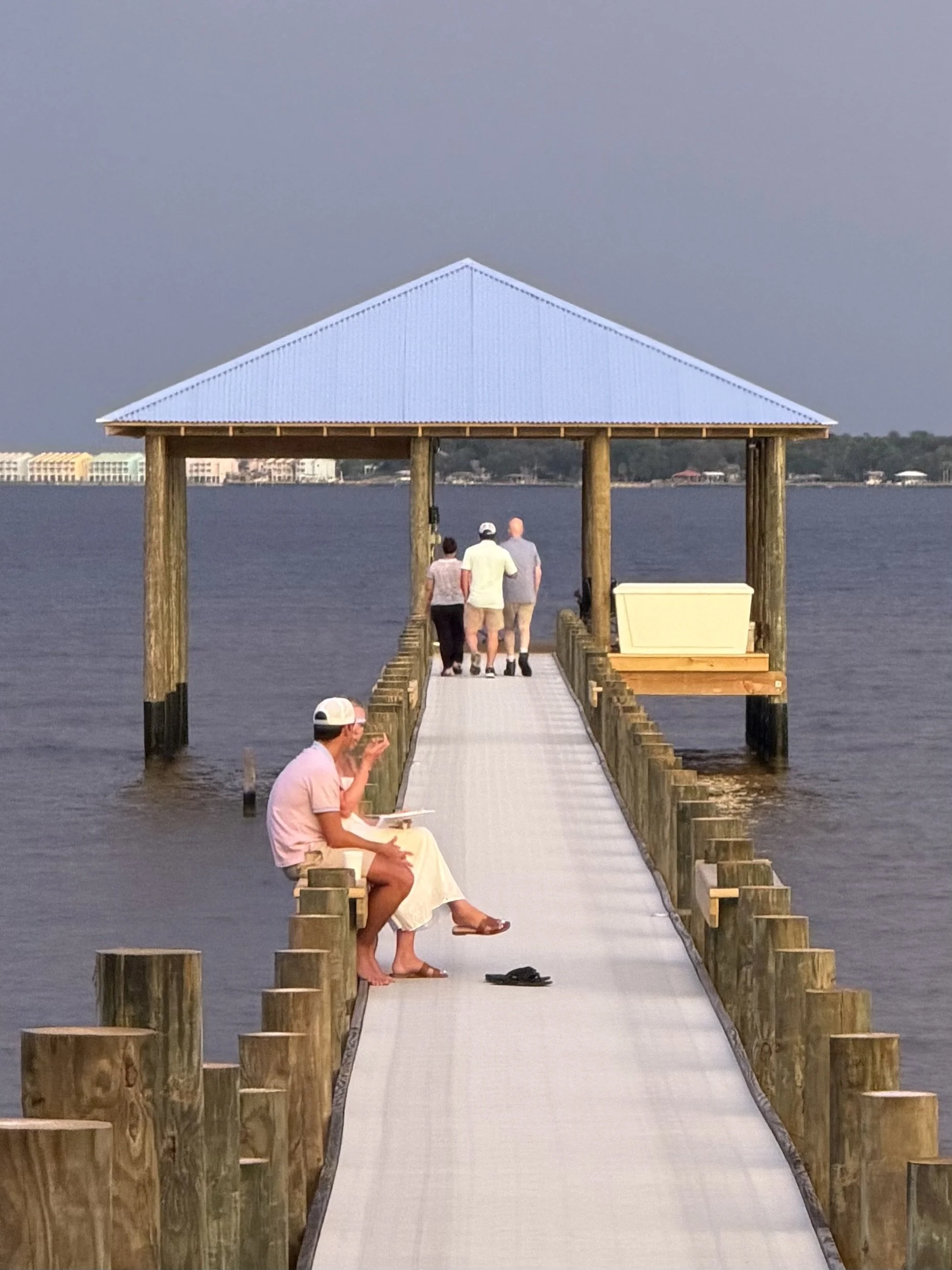
The boats never left the lift last Saturday afternoon. That’s not how these things usually go for me — most Saturdays have a run in them somewhere. But this one was different by design. It was a day for family and friends, in the kitchen, on the porch, and eventually out at a neighbor’s dock in the Town of Perdido Beach.
One of Summer's Biggest Weekends: Which Way Do You Point the Bow?
One of Summer's Biggest Weekends: Which Way Do You Point the Bow?
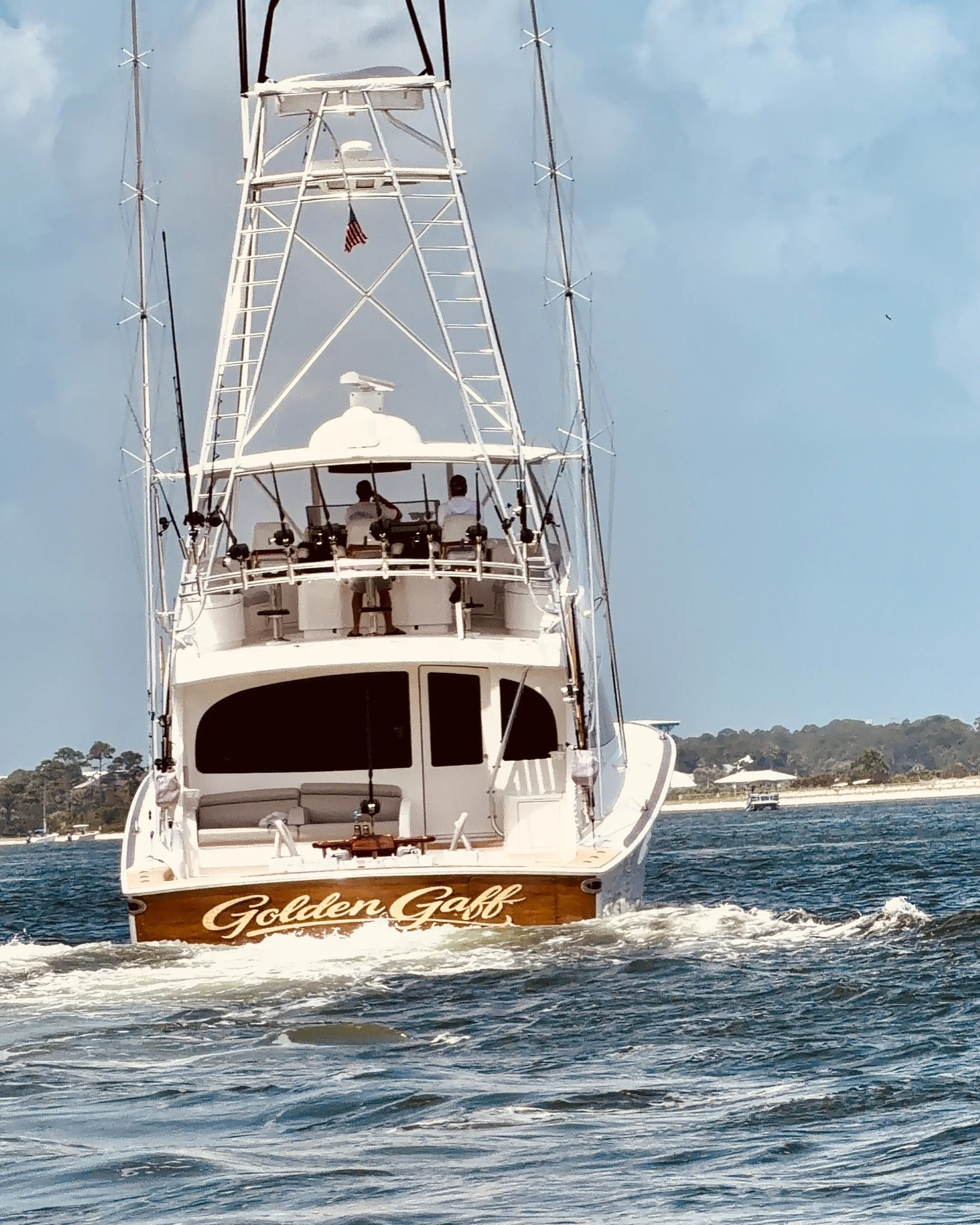
One weekend, and the whole coast is running hot at once — the granddaddy fishing rodeo weighing in on Dauphin Island, the Blue Angels over Pensacola Beach, marlin coming up the crane at the Wharf, and Parker McCollum and the Coral Reefer Band under the lights. Five events, three bodies of water, and no way to be everywhere.
So we ran the numbers and made the call on where to point the bow — including the one you ought to do by boat.
Forty-Three Rules that Separate Boat Captains from Being "That Guy"
Forty-Three Rules that Separate Boat Captains from Being "That Guy"
Somewhere out there right now, a fellow is untying his straps on the ramp with fifteen boats stacked up behind him — and another is planing wide open straight through the anchorage like the no-wake sign is a suggestion. We've all seen that guy. Nobody wants to be that guy. So we wrote down the rules that keep our stretch of water friendly, safe, and worth coming back to — 43 of them, from ramp prep and wake responsibility to sandbar etiquette, radio manners, and why you tip the dockhand.
Some are law, some are just good seamanship, and a few will make you laugh because you know exactly who they're about. Read all 43 and see how many you already live by.
The Longest Day: Seven Weekends Until the Buses Run
The Longest Day: Seven Weekends Until the Buses Run
The sun came up over Perdido Pass this week and stayed up longer than it will any other day all year. Most folks read the solstice as the start of something. I read it as a clock.
Here's what nobody tells you in June: summer with the kids out of school is a whole lot shorter than summer itself. Count it on your fingers — by the time the Baldwin County buses roll again in August, you've got about seven weekends. Seven.
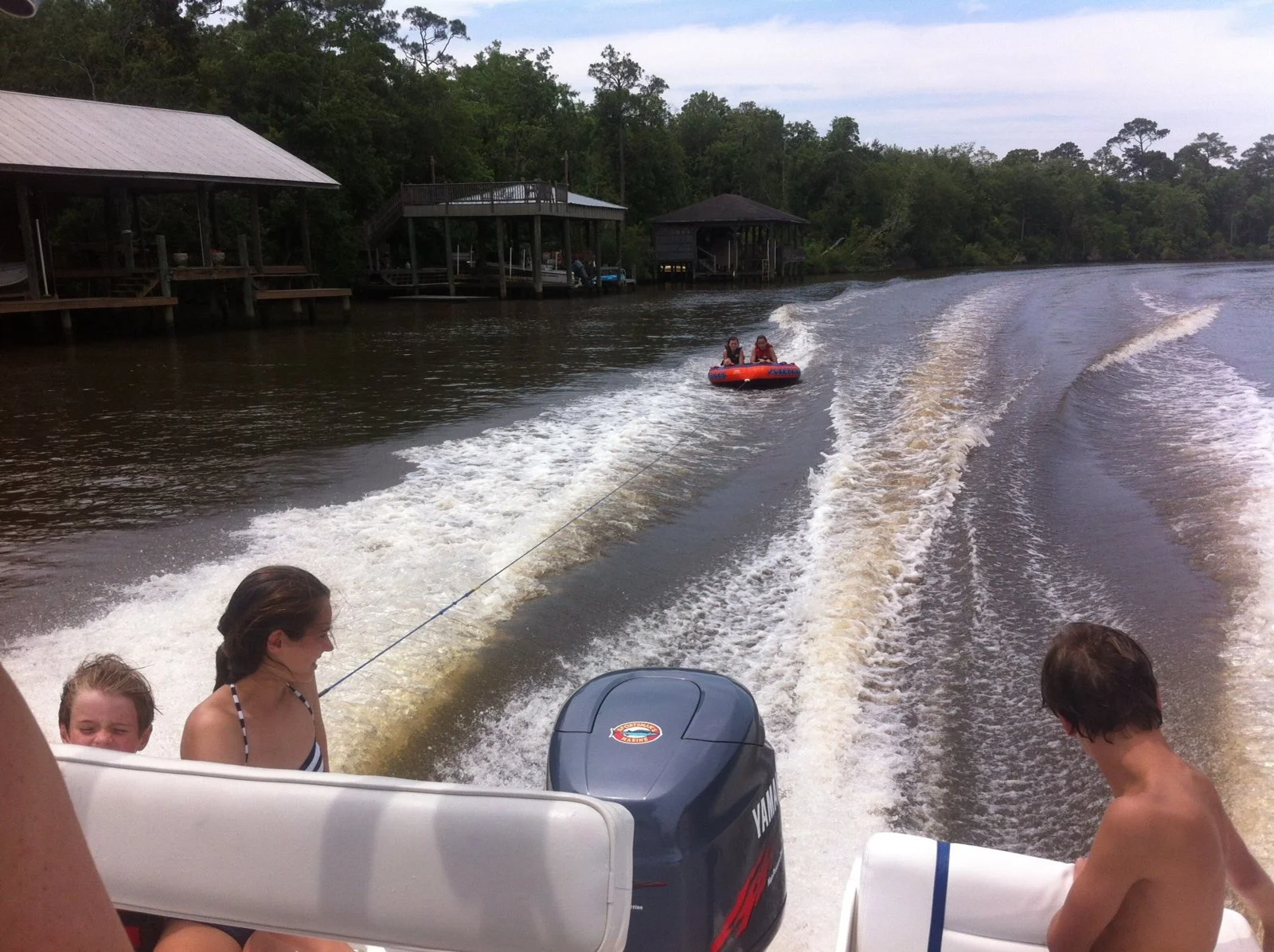
So this week's Docklines isn't a kick-back-and-drift letter. It's a plan: how to read the water before you load the cooler, put the kids on the tube, snorkel the reefs right off the beach, find the bite, raft up at the newly restored Perdido Islands — and the new rules you'll want to know before you idle in — then wash the salt off and let somebody else cook.
The light's as long as it's going to be, starting today. Be the family that's already loaded and gone.
A Good Dad's Day: Make Hay While the Sun's Out
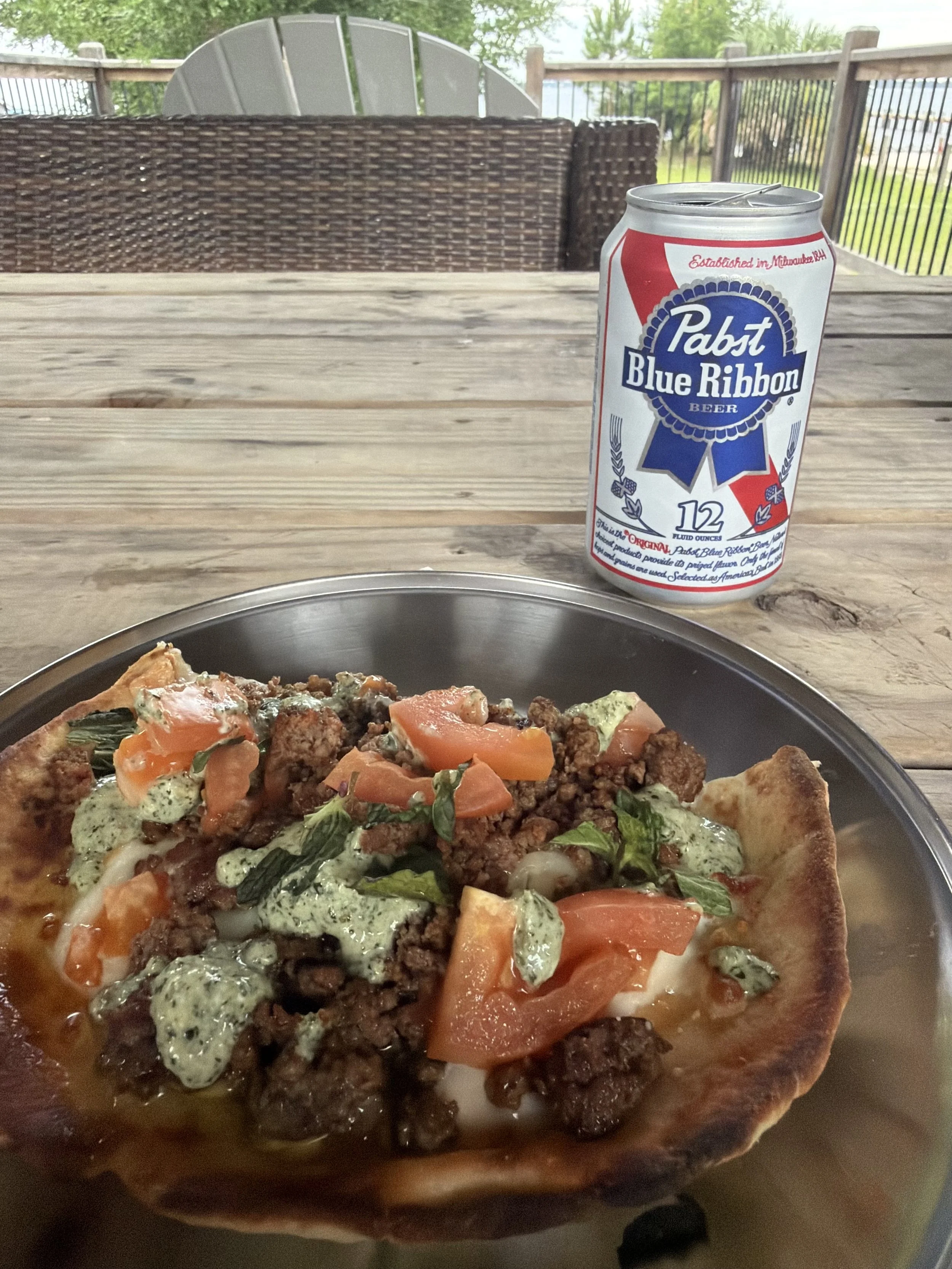
It's a beautiful weekend on the Lower Alabama coast, and next Sunday is Father's Day. You know the old line — make hay while the sun shines. On the water, that means you get on the boat when the chance shows up, because weather like we've got right now doesn't sit around and wait on you. So here's my pitch to the families reading this: find a way to turn Dad loose this weekend, or during the week, or anytime before next Sunday. Give him a morning to himself out on the water, then circle back and make the rest of the day a family thing. That's the whole trick to a good Father's Day down here.
The Raft-Up, the Regatta, and the Sandbar
The Raft-Up, the Regatta, and the Sandbar
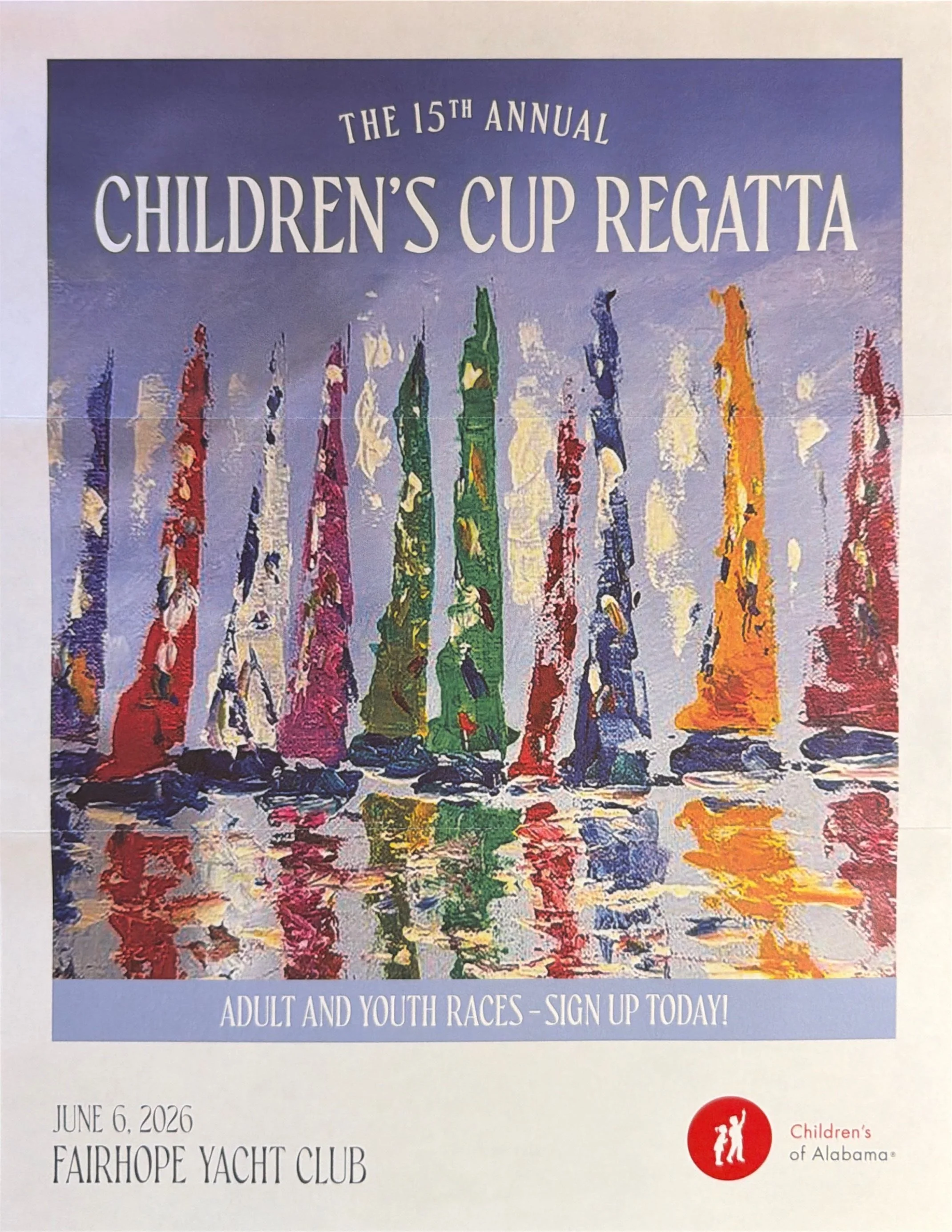
It's a big weekend on the water. Saturday, the Children's Cup Regatta sails out of Fairhope Yacht Club; Sunday, the Drop Anchor Song Fest drops anchor off the Montrose Crescent. Two good reasons to put the boat in — and both of them mean a lot of hulls anchored close together for a good cause. The part nobody hands you on the way out of the marina? The unwritten rules that keep a crowded anchorage from turning into a bad afternoon.
So we wrote them down. Our full guide breaks down how to set a raft-up so the whole thing actually holds when the sea breeze fills in, where to drop your hook when you're watching a sailboat race (hint: not on the mark), and the captain-tested sandbar manners — two anchors, no glass, leave only footprints — that keep the best spots on this coast worth going back to. It's the difference between being the captain everybody's glad pulled in next to them and the one whose stern anchor dragged into a stranger's cockpit at 2 PM.
Read the whole thing before you cast off this weekend. The Raft-Up, the Regatta, and the Sandbar is live now on the Docklines blog — give it a read, then go show up right.
👉 Read the Full Guide at docksideguide.com
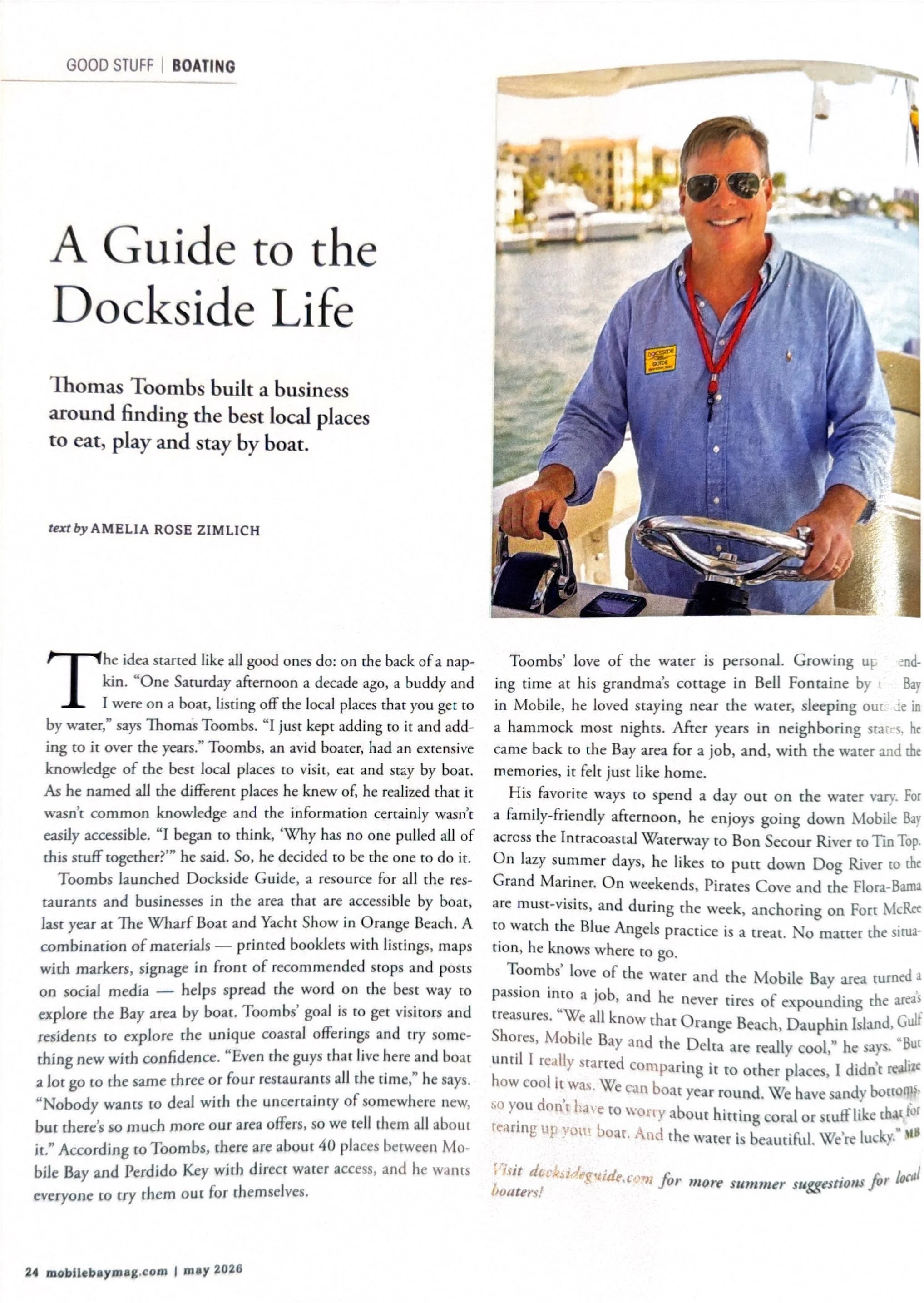
Dockside Guide Lands in Mobile Bay's Summer Fun Issue
Dockside Guide Lands in Mobile Bay's Summer Fun Issue
Pick up the May issue of Mobile Bay Magazine and flip to page 24 — that's our founder, Thomas Toombs, at the helm.
The story Amelia Rose Zimlich tells in "A Guide to the Dockside Life" starts where every good Dockside Guide story starts: on the back of a napkin, on a Saturday afternoon, with a buddy and a boat and the beginnings of a list. Roughly 40 places between Mobile Bay and Perdido Key later, that napkin became the resource you're reading right now.
The Mullet's in the Air: A Boater's Guide to the Flora-Bama Interstate Mullet Toss
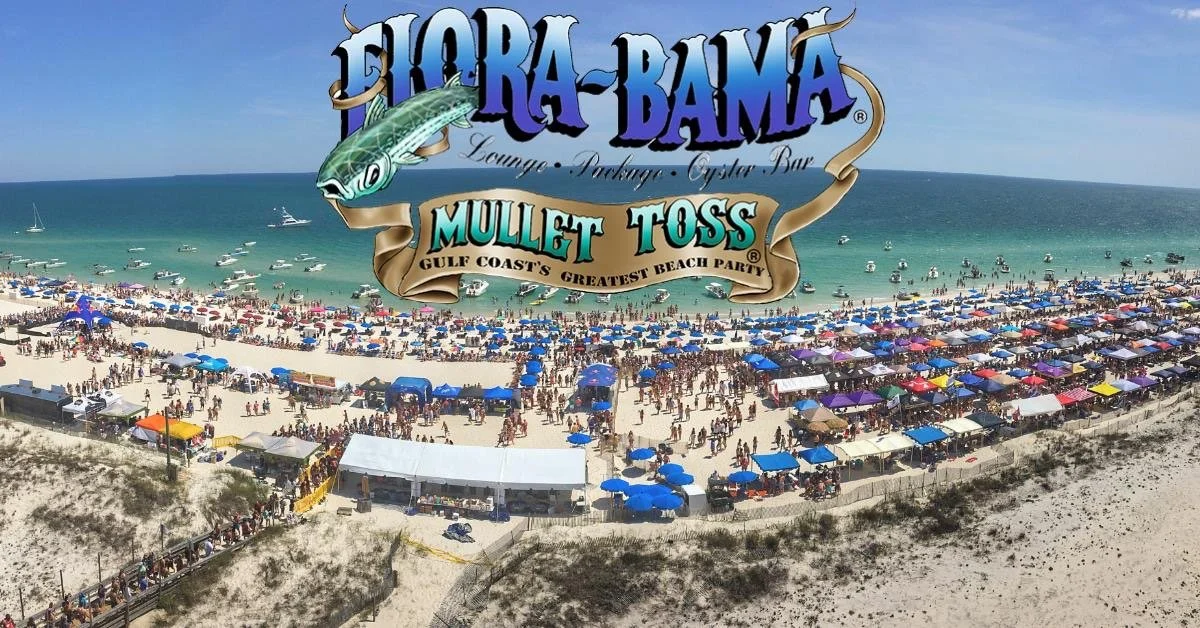
If you haven't pointed your bow toward Perdido Key yet this week, it's time to fire up the chartplotter. The 41st Annual Interstate Mullet Toss and Gulf Coast's Greatest Beach Party kicks off tomorrow, April 24 through 26, 2026, on the beach behind the legendary Flora-Bama Lounge & Oyster Bar Gulf Shores, that glorious, ramshackle temple to coastal misbehavior straddling the Alabama–Florida line. For our Docklines readers, the geography couldn't be more convenient: the Flora-Bama sits right on the Gulf, a short run from Perdido Pass, and for boaters willing to drop a hook offshore and tender in, you'll sidestep one of the ugliest parking headaches on the Gulf Coast while securing a front-row seat to fish flying through the April sky.
Zeke's Landing: This Is Exactly Why We Do This
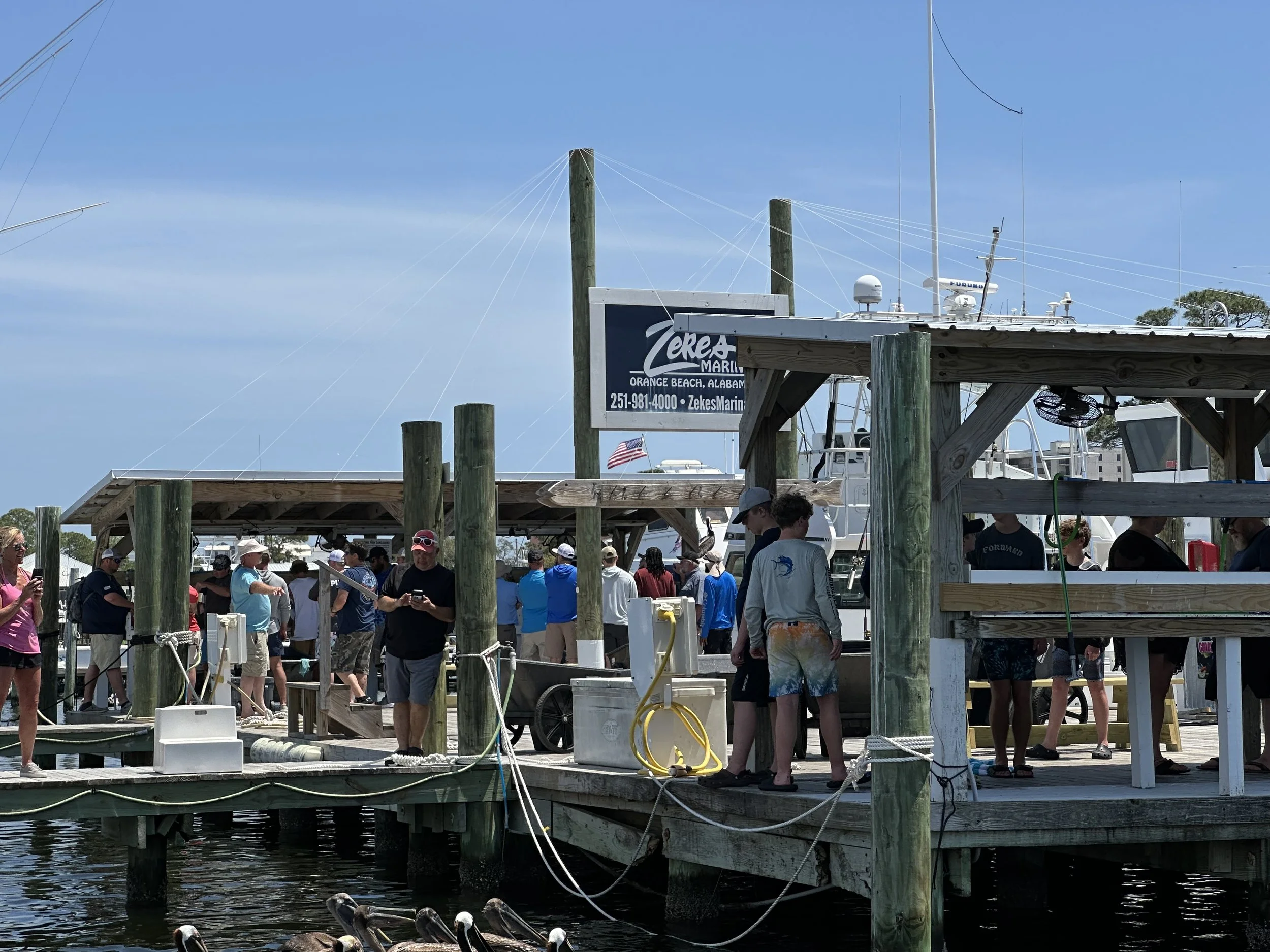
There's a moment that happens every time I pull into Cotton Bayou and the docks at Zeke's Landing come into view — a moment I've never been able to fully explain to someone who hasn't been there by boat. The charter fleet is staged in the center section, forty-plus hulls pointed toward Perdido Pass and ready for tomorrow's run. The restaurant is open. The Mo Fishin’ Bar has music drifting across the water. Somewhere behind the dry stack facility a forklift is lowering a center console back into the water. Jarett or Brad are sea trialing a boat with a prospective customer. A family just off a dolphin cruise is walking up the boardwalk with their faces still lit up. And I'm sitting at the helm thinking: this is exactly why Dockside Guide exists. Because you cannot know this place from the road. You have to come in from the water to understand what's actually here.
To the uninitiated, pulling in from the water can feel like entering a busy port city. Here’s how to navigate the ecosystem. Zeke's Landing has been anchored on Cotton Bayou since 1980,.....