
The Longest Day: Seven Weekends Until the Buses Run
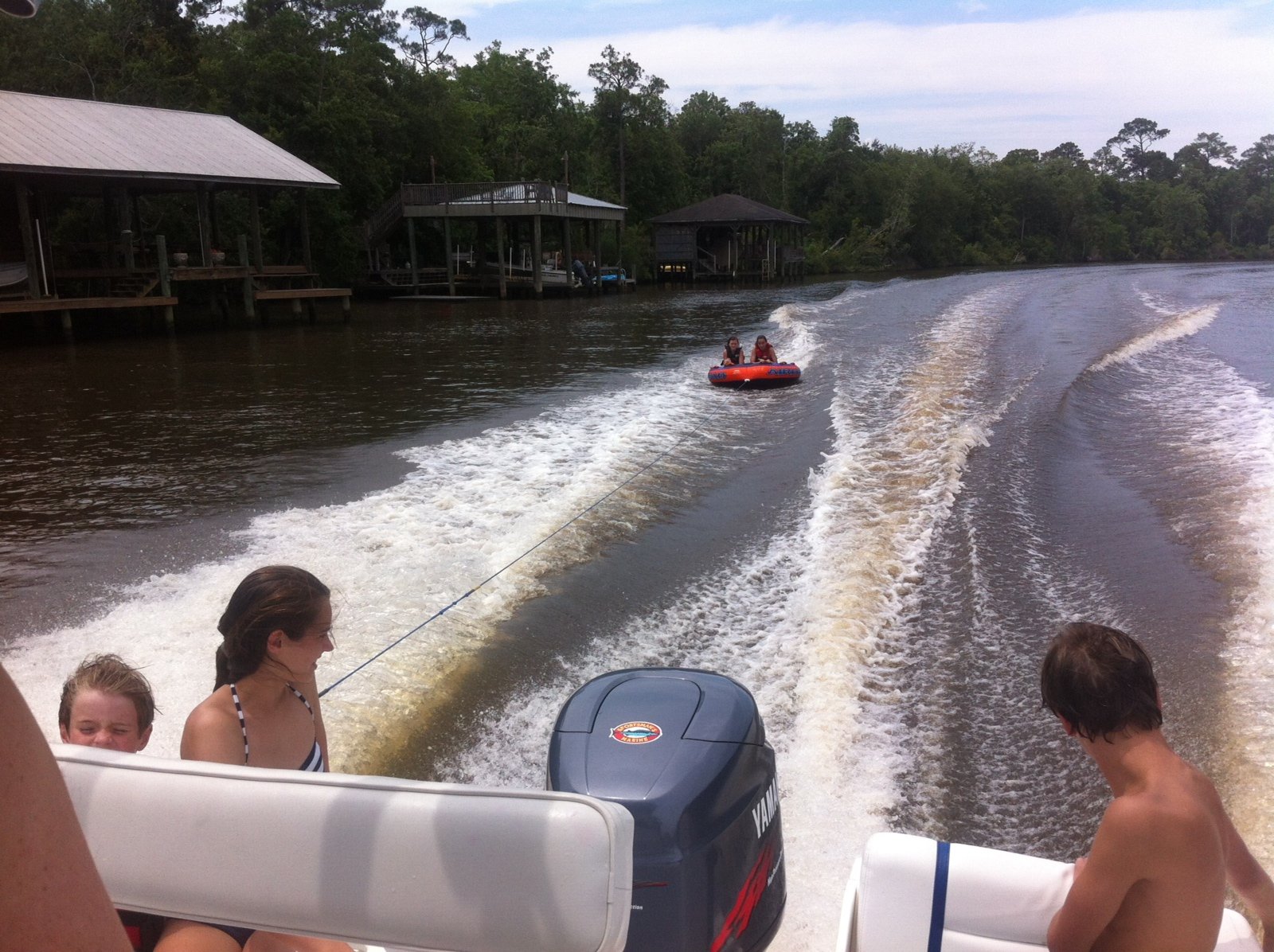
Fish River before the No Wake Zones.
The sun came up over Perdido Pass earlier this week and stayed up longer than it will any other day all year. June 21 — the solstice. The official first day of summer, and the most daylight Lower Alabama gets before the days start shrinking back, a minute or two at a time, quiet and unnoticed, all the way to December.
Most folks read that as the start of something. I read it as a clock.
Here's the part nobody tells you in June: summer with the kids out of school is a whole lot shorter than summer itself. Count it on your fingers. By the time the Baldwin County buses roll again in early August, you've got about seven weekends. Seven. That's not a long, lazy season — that's a short window with your family's name on it, and it's open right now.
So this isn't a kick-back-and-drift letter. It's a plan. The light's never going to be longer than it is today. Here's how to spend it before it spends itself.
Read the Water Before You Load the Cooler
The captains who get the most days on the water aren't the ones with the biggest boat. They're the ones who read the forecast.
Summer down here runs on a pattern: glass-calm mornings, a sea breeze that fills in by lunch, and pop-up thunderstorms that build over the mainland and march south in the afternoon. A south wind stacks chop on Mobile Bay in a hurry. A morning that looked perfect at 7 can have lightning on the radar by 3. Or the storm at noon, clears to a perfect slick cool afternoon on the bay! You have to look outside and be flexible.
So before you ever back the trailer down the ramp:
Check the marine forecast — wind, seas, and the chance of afternoon storms.
Watch the radar the morning of, not the night before.
Pick your window and run it early. The calm water is in the morning. So is the bite.
Plan around the weather and you get the day. Ignore it and the weather plans around you.
Put the Kids on the Tube
There is no faster way to turn a kid into a boat kid than a tube and a flat stretch of water.
The back bays were made for it — Wolf Bay, Lower Magnolia River, Dog River, Soldier's Creek, and the open Bays before the Gulf gets a vote. Get out there in the morning glass, before the wind fills in and stands the chop up. That's when the towing is smooth and the little ones aren't getting bounced off into the next county.
Two rules, and they're not negotiable: everybody on the tube wears a life jacket, and you keep a spotter facing backward the whole time so the driver can watch where you're going. Do that, and you'll have a kid who asks to go back out before you've even rinsed the boat.
Mask On, Look Down
Here's one you don't even need the boat for.
Alabama's beaches have three artificial snorkeling reefs sunk just off the sand — concrete and limestone set down to grow a whole little ecosystem a few hundred feet offshore, in water that averages about eight feet deep. Walk in from the beach, swim out, put your face down, and there's a world under there: spadefish hanging in the current, rays gliding across the bottom, even an octopus folded into the rock if you're patient and a little lucky. It's the kind of thing a kid talks about for the rest of the summer.
You'll find them at the Gulf State Park access points — Romar Beach, Alabama Point, and the Gulf State Park Pavilion. Look for the poles topped with red lights near shore; those mark the reef boundaries. One note worth knowing: during sea turtle nesting season those lights may be switched off, so the markers can sit dark — another good reason to go on a calm, clear day after a stretch of light wind, when the water's settled and you can see what you're swimming over. The reef's been working the whole time. You just have to look down.
The Bite Is On
If you fish, this is your season — and there's a fish for every kind of day you want to have.
Want to keep it close? Work the marsh grass for speckled trout and redfish at first light, or drift the flats off Bon Secour. Want a little run? The Spanish and king mackerel are tearing through bait nearshore, and there's nothing that lights a kid up like a Spanish on light tackle. Want to go offshore and earn it? Red Snapper in Alabama is open every day until we reach the quota.
And don't overthink it. Sometimes the best fishing of the summer is a kid, a dock, a bucket of dead shrimp, and a pinfish that fights like a marlin if you're seven years old. Start them there.
Find the Sandbar
Saturday on the islands is its own kind of church. The boats raft up off Robinson Island, anchors set, families wade the warm shallows, and there's a stretch of sandbar with the kids' names on it for the afternoon. It's the most Lower Alabama thing there is — and it's free.
It's also brand new again. Last fall, a $21 million public-private partnership rebuilt Robinson and Walker Islands — the Lower Perdido Islands — pumping in more than 216,000 cubic yards of sediment and setting better than 200,000 native plants to hold the sand and bring back nesting ground for migratory birds. Twenty-seven acres of barrier island, restored. More than five hundred boats a day will visit at the height of summer, so what we do out there now matters more than it ever has.
Which means there are new rules, and they're worth knowing before you idle in. The City of Orange Beach and the Alabama Law Enforcement Agency are enforcing No Wake and No Motor Zones around the islands, and parts of the restored habitat are now closed to people and pets to protect the new plantings and the birds nesting in them. None of that costs you the day — it just tells you where to set the anchor and where to keep the kids and the dog. Before you go, grab the free printable map or pull up the interactive one; both lay out the seagrass, the No Wake and No Motor Zones, and the areas that are off-limits.
The folks behind the work — The Nature Conservancy, the City of Orange Beach, and the Pensacola and Perdido Bays National Estuary Program — are calling the effort "Don't Rock the Roost," and it's about as plainspoken as it sounds: don't wake the nests, don't run the no-motor water, don't trample what just got planted. The same good-guest rules still ride on top of it — set your anchor so you're not swinging into the boat next to you, keep the music where the family two boats over can still hear their own, and carry out more than you carried in.
The sandbar belongs to all of us, and now it belongs to the birds again too. Tie up right, leave it better, and it'll still be there when these kids bring their own kids.
Wash the Salt Off and Eat
You don't have to cook every meal off the back of the boat. Half the point of running these waters is that you can tie up and let somebody else handle dinner.
So go. Pull into Tacky Jacks and eat under the signatures hanging from the rafters. Tie up at Zeke's and watch the charter fleet stage for the morning run. Idle up the Bon Secour River to Tin Top, share the channel with the shrimpers, and put the West Indies Salad and a plate of Royal Reds in front of your crew. These places are reachable by water, always by water — that's why they're in the guide. Use them this summer while the days are long enough to make a leisurely dinner and still get home in the light.
Plan It Out
Here's the discipline the whole thing comes down to: pick your runs and put them on the calendar before the weeks evaporate.
Sit down with the family this week. Block the tube mornings. Pick the offshore day. Mark the Saturday you'll raft up at the sandbar and the night you'll run up the river for dinner. Watch the weather, stay ready, and when a glass-calm morning lands in your lap, you'll be the family that's already loaded and gone — not the one still talking about going.
Because the days are as long as they're going to be, starting today. Seven weekends, then the buses run.
Take the time in front of you. It's the most you'll have all year.The sun sets about 8:00pm.