
The Early Spring Advantage
How Early Winds and Shifting Water Set the Table for the Bite
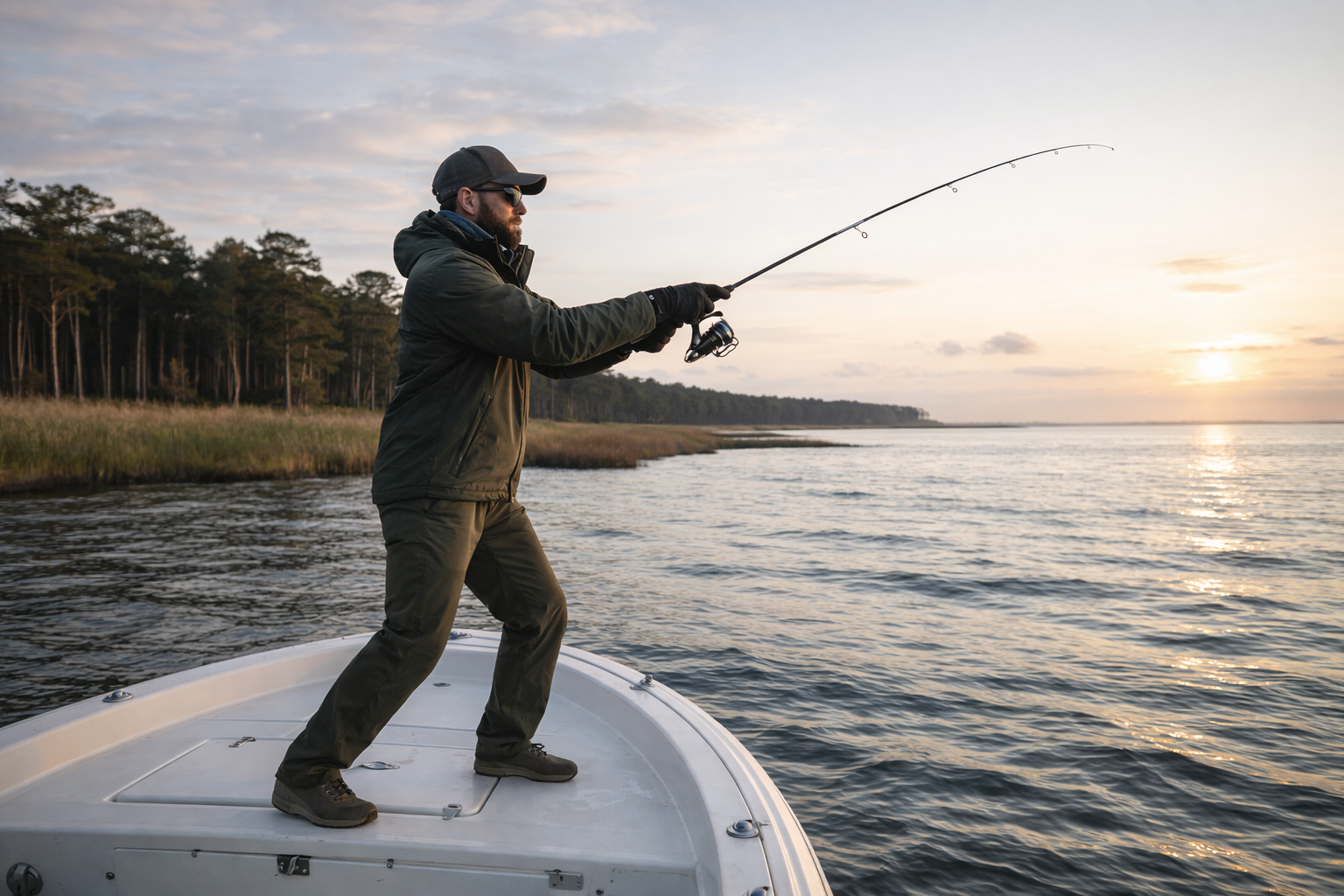
There’s a particular kind of quiet in late winter on the Gulf Coast—the scent of fresh bottom paint, the sound of gear being tuned before launch, the docks getting repaired after winter squalls. It’s a suspension: a pause between Mardi Gras revelry and the looming surge of summer crowds. We watch the coast prepare, crews being hired, tackle sorted, vessels readied—a seasonal rite of maritime readiness.
But this window isn’t idle. In fact, it’s one of the sharpest tactical edges of the year.
Spring on Mobile Bay is defined by transition: the last deep breath of winter meeting the early thermal push of spring. Wind remains fickle—one day slick calm on the water, the next stiff from the north—and this variability sculpts how fish use the bay’s complex structure. It’s a time when local knowledge earns its keep and adaptability becomes advantage.
Where The Bite Tightens
As water begins to warm—even marginally—bait starts to shift, and predatory fish respond. But unlike summer, patterns are dictated less by clock and more by interplay of wind, tide, and changing water temperature.
After a sustained north breeze, water levels can retreat and current tightens along defined drains and channel edges. What matters now is how fish exploit that rearranged energy.
With less water on broad flats and more concentrated flow, you’ll start to see:
Defined edges become magnets for speckled trout. In early spring, trout are not widespread; they’re strategic. Once current begins to run with tidal windows, deep edges near cuts, drains, and oyster bars become transit corridors. Anchored or drifted live bait along these edges — or well-placed soft plastics — tends to pull consistent marks before the summer spread.
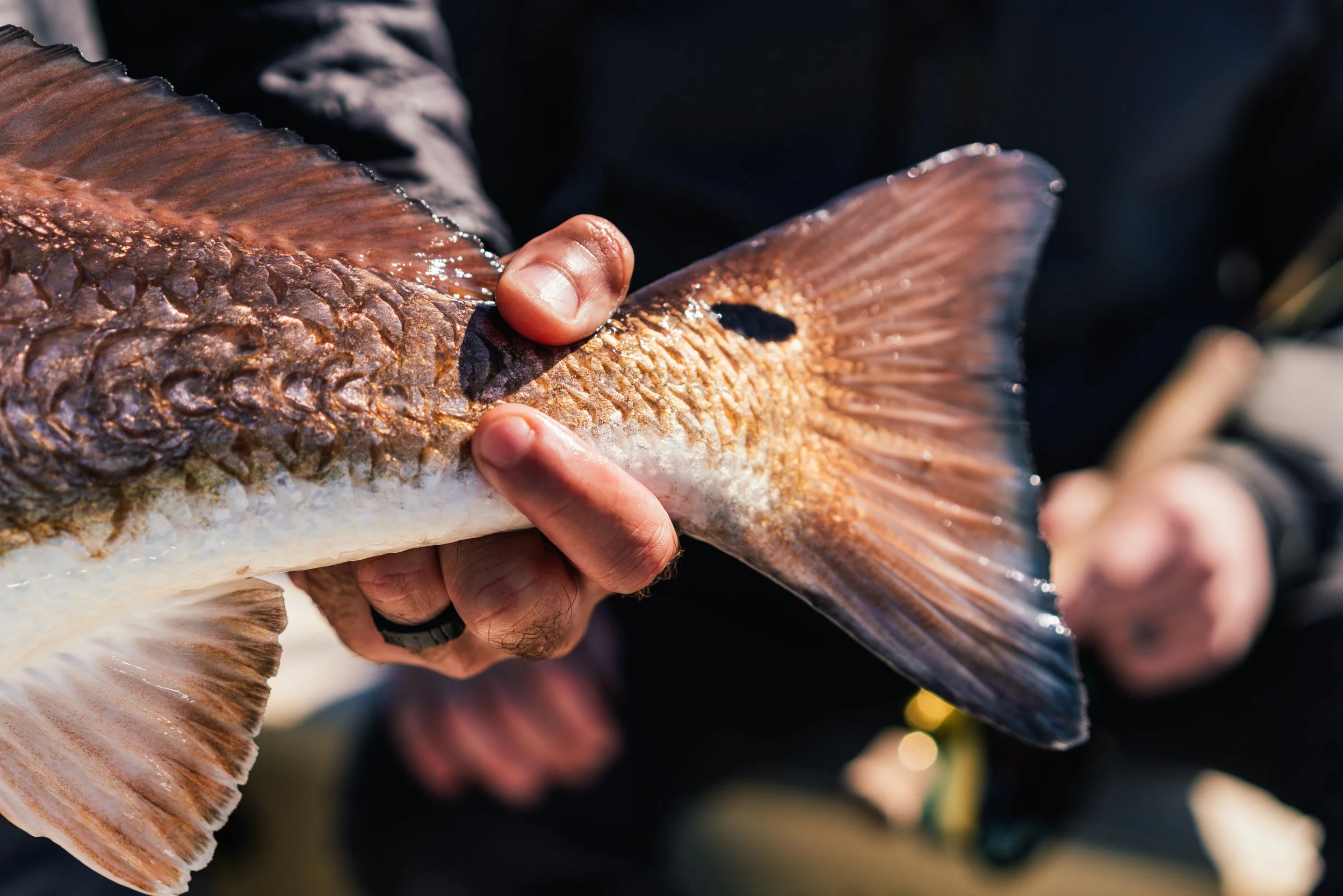
Redfish relocate into productive drains. Early season reds are opportunistic, using narrowing channels just off expansive flats to ambush bait pushed by current. These are not random fish — they’re intentionally positioned where tidal flow meets structure, subtly but reliably.
Sheepshead sharpen up on hard structure. While later season sheepshead targets sometimes focus on seasonal oyster build-ups, this time of year the early concentrations are tightly held around pilings, bridge spans, and artificial structure where bait congregates. It’s a finesse bite — and a great early test of tackle and patience.
Reading the Spring Water
The early spring bite isn’t about chasing the widest horizon. It’s about reading pulses.
When the wind shifts and tide deepens shallower water, look for clarity changes. The contrast between turbid flats and cleaner channel water becomes a targeting tool. Fish are not occupying every foot of water the way they will by June; they’re economical in their positioning, holding where energy intersects relief.
That means:
Current seams by docks and cuts during rising tide are worth a look.
Wind-driven pushes that concentrate bait along particular shorelines can make a quiet morning feel alive.
Variable cloud cover and temperature swings early in the season often cue short, intense feeding windows.
The Sweet Spot Before The Rush
Spring doesn’t roar in—it creeps. And long before the peak season crowds fill slips and sandbars stretch shoulder-to-shoulder, there is a narrow, sublime window when the bay tells you where the life is.
Weekday mornings in March can feel like a secret. The fleet isn’t yet in full swing. The water holds structure that fish respect. And the boaters who have already done their winter homework read the map not by memory, but by movement.
This season isn’t about thermal patterns or summer autocues. It’s about peering into the bay’s rearranged face, anticipating how predators will use current and structure, and acting with intention.
Spring on Mobile Bay is not a lull between seasons. It’s a proving ground. And the anglers who treat it that way are already catching the advantage.
Fish It With Someone Who Knows the Edges
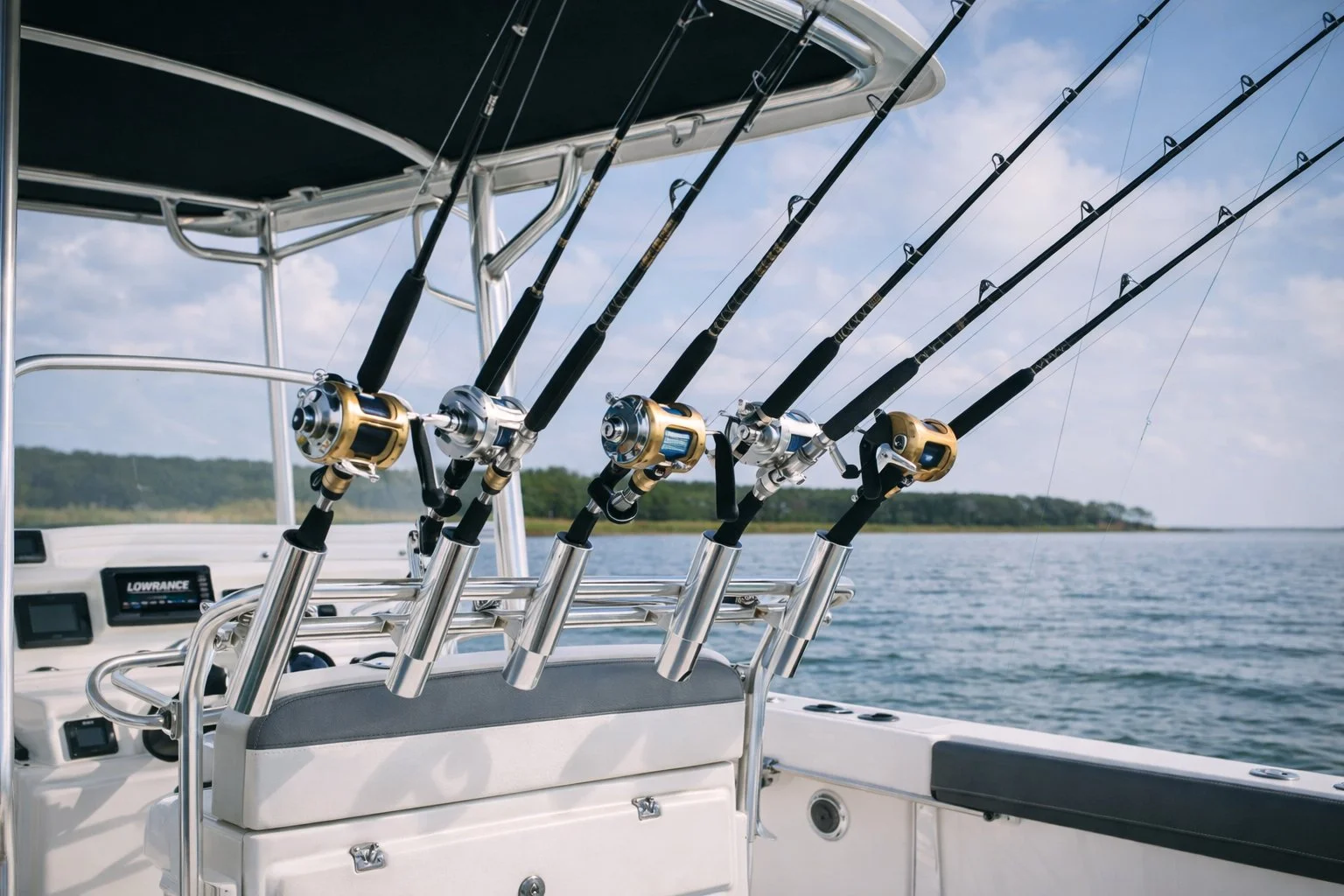
If you’d rather not pattern it alone, this is the time to fish with someone who runs the bay year-round and knows how wind and tide rewrite the playbook. The right guide will turn a north breeze into positioning, a tide swing into timing, and a quiet weekday into a cooler worth carrying.
Consider booking with trusted local operators like:
Mobile Area (Upper Bay / Delta / Eastern Shore)
Ugly Fishing LLC A technical inshore operation focused on redfish, trout, and seasonal structure fishing across the bay and surrounding rivers. Strong fit for spring pattern anglers.
Bona Fide Inshore Charters Light-tackle inshore guide specializing in Mobile Bay estuary systems, with a reputation for dialing in trout and reds during transitional seasons.
Bay Grass Fishing Guide Service Delta-leaning guide service with shallow-water expertise — ideal for anglers who want to understand how wind and tide reposition fish in early spring.
Gulf Shores / Orange Beach / Perdido
Distraction Charters Versatile operation offering inshore, nearshore, and family-friendly offshore trips. A reliable choice for spring sheepshead and early pelagic runs when conditions allow.
Bama Bandit Sportfishing Well-known Gulf charter targeting snapper, amberjack, and seasonal offshore species — ideal for anglers ready to push south when weather windows open.
Sure Shot Fishing Charters A seasoned Gulf operation blending offshore reef runs with nearshore structure fishing during tighter weather patterns.
Gulf Rebel Charters A high-capacity offshore option for serious Gulf anglers targeting tuna, wahoo, and deep-water species during prime conditions.
Salt Style Guide Service Inshore-focused guide service known for redfish, trout, and back-bay precision fishing — particularly strong during early season concentration patterns.
Entertainer II Established multi-passenger offshore charter targeting snapper, amberjack, and reef species with an experienced Gulf crew.
Zeke's Landing Iconic Perdido Pass marina and charter hub launching a range of respected inshore and offshore captains into Gulf and back-bay waters.
These captains read the water daily, adjust to shifting conditions, and understand the subtle advantages of early season concentration. Before summer traffic widens the search and softens the structure, there’s real opportunity in the margins.