
The Art of the Southern Oyster Roast: A Step-by-Step Gulf Coast Guide
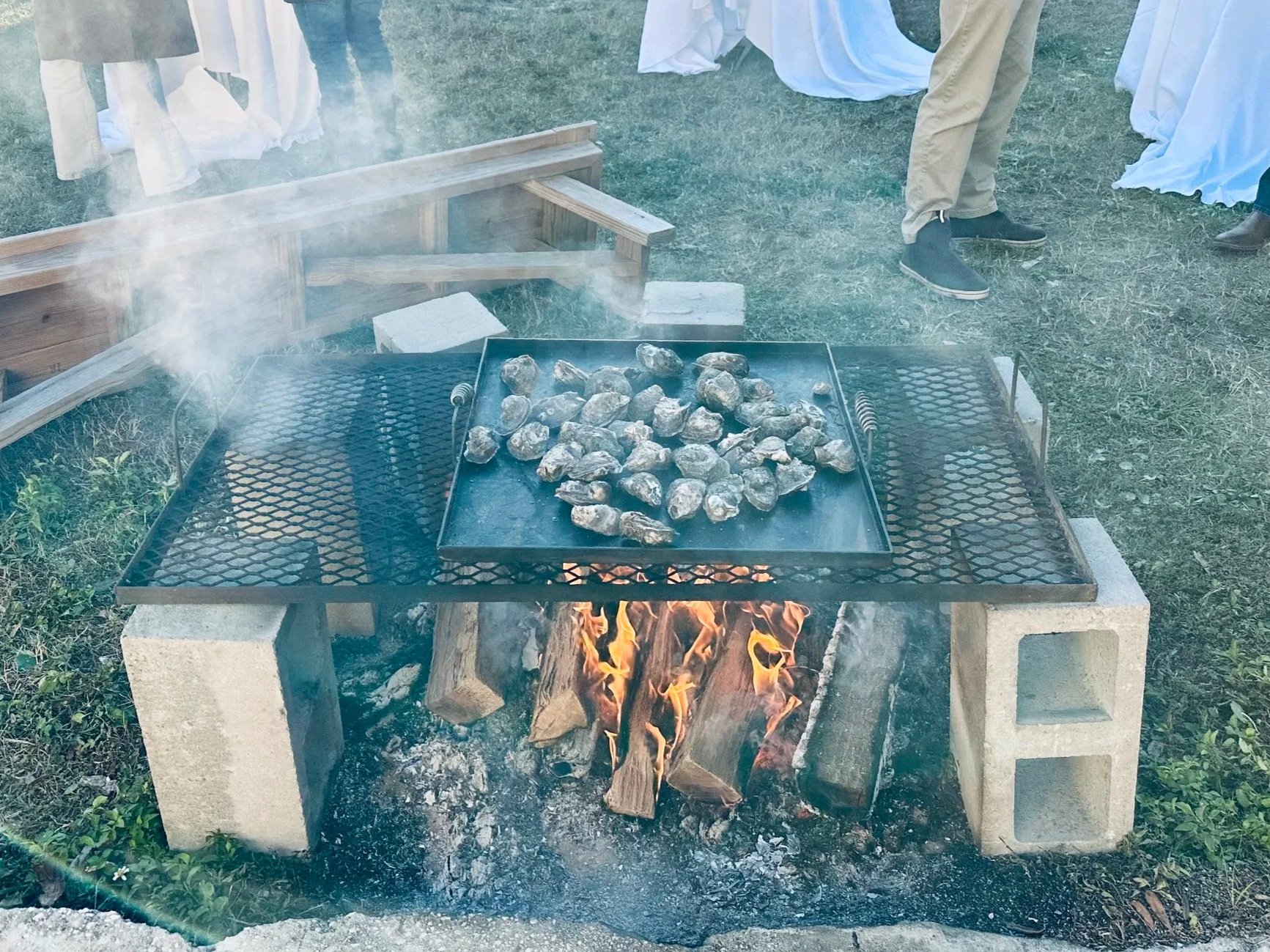
In the canon of Southern entertaining, the oyster roast stands apart—not merely as a meal, but as a seasonal sacrament that draws us out into the crisp, salt-laced air of a Gulf Coast winter. It is a convivial, standing-room-only affair that eschews the formality of the dining room for the primitive allure of woodsmoke and conversation. The perfect roast requires a host who understands that the primary ingredient is atmosphere: the scent of curing oak logs, the golden hue of a late afternoon sun low over the bay, and the promise of warmth found in good company. It is an act of hospitality that honors the maritime heritage of the South, stripping away pretense the moment the first plume of smoke rises above the backyard.
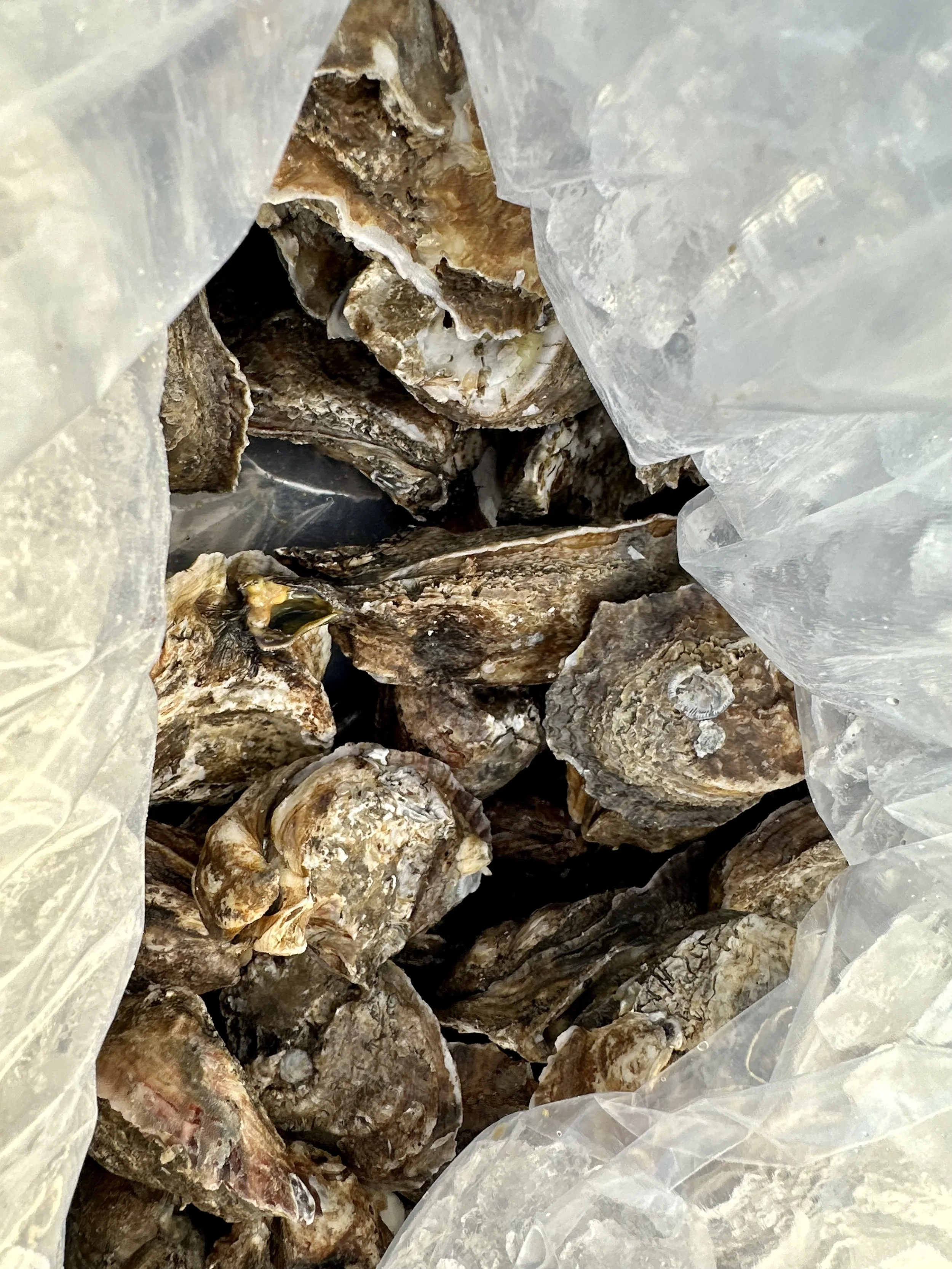
True provenance is the cornerstone of a proper roast, and the seasoned host knows that the journey begins at the source, bypassing the supermarket for the weathered docks of Bayou La Batre or the packing houses of Bon Secour. You are seeking thirty-pound sacks of Gulf singles, their shells still dark with the mud of the bottom—a testament that they were pulled from the water only hours prior. Whether you favor the butter-brine profile of a Navy Cove oyster or the distinct minerality of a Murder Point, the goal is to present a bivalve that speaks of its specific waters. This dedication to sourcing is not snobbery; it is a nod of respect to the watermen who harvest them and the guests who will savor them.
The machinery of the roast is intentionally rustic, favoring function and heavy-duty heritage over modern gadgetry. The centerpiece is a sheet of quarter-inch steel plate, seasoned by years of use, resting atop cinder blocks or a brick fire pit to form a crude but effective griddle. Your tools are equally utilitarian: heavy leather welding gloves to ward off the heat, a flat-edge shovel for the heavy lifting, and genuine burlap sacks—never synthetic—soaked in a bucket of brine until heavy and sodden. The table is often no more than a sheet of plywood on sawhorses with a hole cut in the center, a design that naturally encourages guests to crowd close, shoulder to shoulder, discarding shells and stories into the receptacle below.
The method is a study in elemental alchemy. A roaring hardwood fire is built beneath the steel until water flicked onto the surface dances and evaporates in a hiss. A half-bushel of scrubbed oysters is shoveled onto the hot metal and immediately cloaked in the wet burlap. This creates a intense steam chamber, poaching the oysters in their own liquor while the wood fire kisses them with smoke. The art lies in the timing; in eight to ten minutes, when the steam billows thick and the first shells just begin to "pop" their hinges, they are ready. They must be shoveled onto the table immediately—warm, plump, and swimming in juice, rather than shriveled by overcooking.
Once the steam clears, the ritual of the shuck begins. There is a beautiful rhythm to the table: the glint of an oyster knife, the crack of the shell, and the slide of the meat. The accompaniments should bow to tradition—sleeves of saltines, wedges of lemon, a bottle of Crystal hot sauce, and perhaps a cocktail sauce spiked heavily with fresh horseradish. The beverage of choice is a cold, domestic lager or a crisp pilsner to cut the salinity. As the evening cools and the fire burns down to embers, the roast achieves its final purpose: connecting us to the land, the water, and each other, leaving us with full bellies and the distinct sense that there is nowhere else we would rather be.
The Source List:
Gulf Coast Oyster Purveyors
Admiral Shellfish Company
Location: Fort Morgan, Alabama (Mobile Bay)
Phone: (251) 454-5356
Website: admiralshellfishcompany.com
The Oyster: Grown in the daily tides near the mouth of the Gulf, these "boutique" oysters are celebrated for their impressive plumpness and a clean, cucumber-finish brine.
Bama Bay Oyster Farm
Location: Coden, Alabama (Mobile Bay / Mississippi Sound)
Phone: (251) 459-9813
Website: bamabayoysterfarm.weebly.com
The Oyster: Harvested from floating cages that rise and fall with the tide, these oysters offer a hearty, savory meat that reflects the rich nutrient exchange of the bay waters.
Bayou La Batre Oyster Company
Location: Bayou La Batre, Alabama (Portersville Bay)
Phone: (251) 510-2349
Website: bayoulabatreoysters.com
The Oyster: Marketed as "Perles de la Mer" (Pearls of the Sea), these are grown in the brackish mix of the sound, producing a consistent, meaty bite with a balanced salt profile.
Bon Secour Fisheries
Location: Bon Secour, Alabama
Phone: (251) 949-5023
Website: bonsecourfisheries.com
The Oyster: A legendary name in Alabama seafood, they provide the quintessential wild-caught Gulf oyster—large, salty, and robust enough to stand up to the heat of a wood fire.
Capt. Zeke's Bay Oysters
Location: Orange Beach, Alabama
Phone: (251) 981-4044 (Zeke’s Landing)
Website: zekeslanding.com
The Oyster: Often sourced directly for the marina and restaurant, these local favorites capture the essence of the Orange Beach lifestyle—fresh, salty, and best enjoyed within sight of the charter fleet.
Depe's Oysters
Location: Dauphin Island, Alabama
Phone: (251) 422-2688
Website: oystersalabama.com/depe-s-oysters
The Oyster: A passion project by marine scientist Andy DePaola (named for his father), these oysters are raised using innovative "shellevator" technology to ensure a perfectly tumbled shell and premium meat quality.
Dixie Graves Oyster Company
Location: Fort Morgan, Alabama
Phone: (251) 223-0576
Website: oystersalabama.com/dixie-graves
The Oyster: Named for the historic parkway that runs down the peninsula, these oysters are farm-raised in the high-flow areas of the bay, delivering a distinct crispness and high salinity.
Isle Dauphine Oyster Company
Location: Dauphin Island, Alabama
Phone: (251) 259-7173
Website: isledauphineoyster.com
The Oyster: Known for a striking, manicured shell and a "merroir" that balances the heavy salt of the Gulf with a smooth, buttery finish, these are favorites of high-end raw bars.
Massacre Island Oysters
Location: Dauphin Island, Alabama (West End)
Phone: (251) 259-7173
Website: isle-dauphine.com
The Oyster: Grown in the open waters where the bay meets the Gulf, these oysters (farmed by the same hands as Isle Dauphine) are known for their intense, punchy brine and clean aftertaste.
Murder Point Oysters
Location: Bayou La Batre, Alabama (Sandy Bay)
Phone: (251) 824-7440
Website: murderpointoysters.com
The Oyster: With their signature slogan "Oysters Worth Killing For," these are deep-cupped, petite, and packed with a rich, creamy sweetness that lingers on the palate.
Navy Cove Oysters
Location: Fort Morgan, Alabama
Phone: (251) 949-5054
Website: navycoveoysters.com
The Oyster: Easily recognized by the "racing stripe" on the shell, Navy Coves are famous for a medium brine and a savory, almost umami-like depth derived from the nutrient-rich waters of the cove.
New Reef Oyster Company
Location: Mobile Bay, Alabama
Phone: (251) 533-4795
Website: newreefoyster.com
The Oyster: A newer entrant to the scene focused on sustainable restoration and aquaculture, producing a vibrant, clean-tasting oyster that highlights the resurgence of Mobile Bay's reefs.
Point aux Pins Oysters
Location: Grand Bay, Alabama
Phone: (251) 824-1191
Website: facebook.com/PointAuxPins
The Oyster: Hand-raised in the "sweet water" marshes near the Mississippi line, these oysters are celebrated for their light, delicate brine and unique "creamed corn" sweetness.
Email Thomas if you have any questions about how to throw a roast at your home or dock!