
A Boater’s Guide to Being Worth the Invite
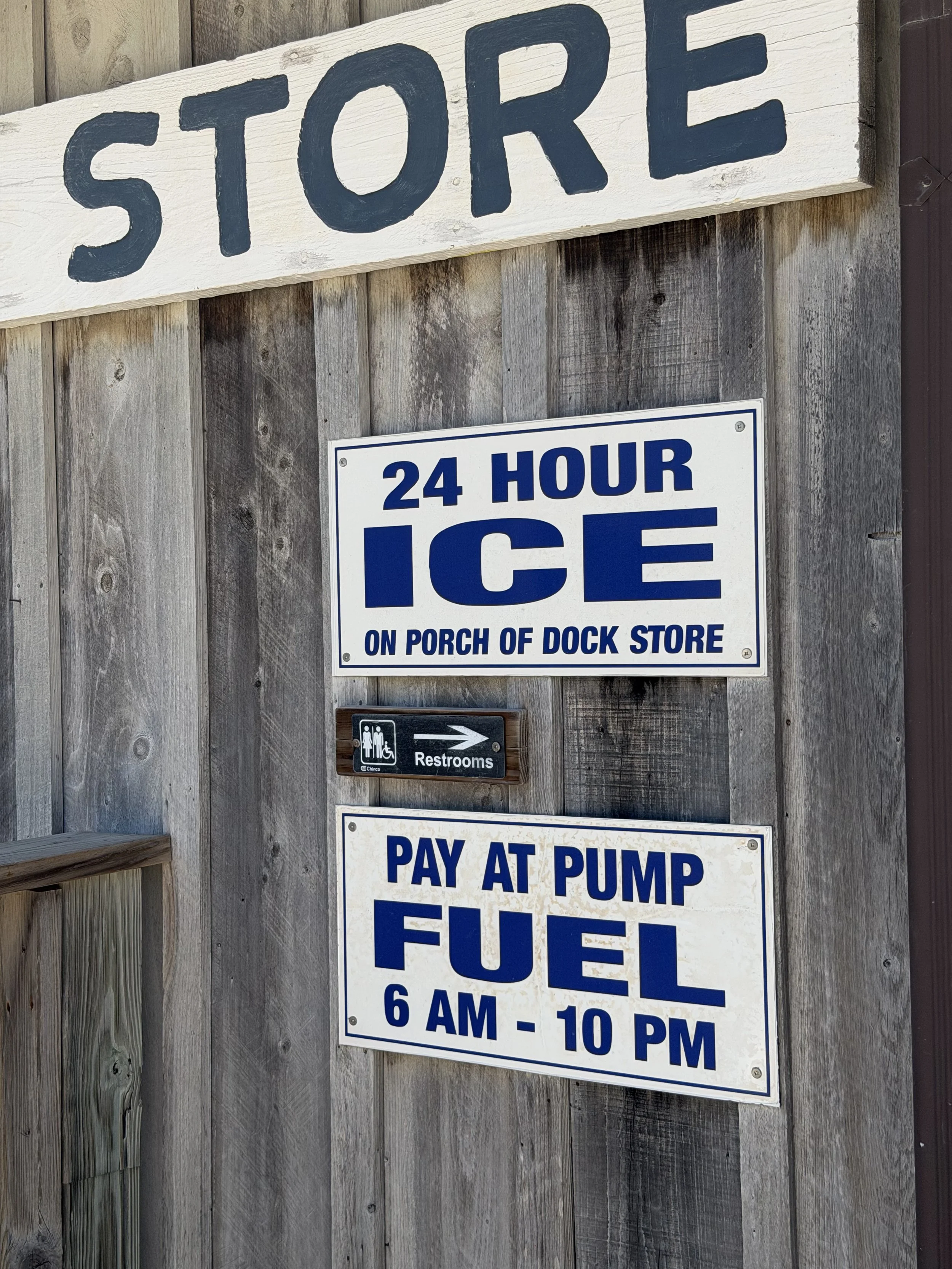
The Ship Store at Bear Point Harbor
The Unwritten Rules of Being a Good Boat Guest
If you’ve ever watched a center console finish loading up at Sportsman at 7 AM — coffee in hand, dry bag stowed, fenders already pulled — you’ve seen the difference. The crew that gets asked back, and the crew that doesn’t.
Nobody hands out a written list. Nobody needs to. The rules are unwritten because every captain on the Bay learned them the hard way — usually from a guest who showed up with a hard-shell case, a Yeti of red wine, and a story about how they used to fish.
A day on the water is a partnership. The captain hauls the freight — fuel, maintenance, insurance, the call on weather — and the guest brings the rest. Hold up your end and you’ll get the call again. Don’t, and you’ll watch the boat leave without you.
This guide started, ten years ago, with a napkin in a restaurant — The List That Launched a Lifestyle, written down so the next boater wouldn't have to guess. The unwritten rules below are more of the info. Dockside Guide is about the places worth getting invited to. This one is about how to be the kind of guest worth inviting.
Tape it to your fridge before your next invite.
1. Be early. Boats don’t wait.
The captain wants to be off the dock at 7. That doesn’t mean rolling into the parking lot at 7:01 with a McMuffin and questions about where to park. It means standing at the slip — gear in hand, sunscreen on, bladder empty — fifteen minutes early. The captain isn’t going to miss the slack at Perdido Pass because you wanted ten more minutes.
2. Ask what to bring — then bring more than that.
“Don’t bring anything” is not the answer. It’s the polite version of “I don’t want to ask.” Bring ice. Bring lunch. Bring drinks for the crew. A six-pack on the back of the boat at sundown buys more goodwill than a Venmo ever will. If you really want to make an impression, find out what the captain pours and stash a bottle of the good stuff onboard before they notice.
3. Pack like you’ve done this before.
Soft bag. Single soft bag. Not a hard case, not a duffel the size of a sailbag, not a backpack with a frame. There’s no overhead bin on a 26-foot center console. The skill of being a guest is fitting yourself into the boat without taking up the boat.
4. Sunscreen on before you board.
Spray sunscreen on a fiberglass deck is a slip-and-fall waiting to happen — and a permanent stain on the gelcoat besides. Apply on the dock. Bring liquid for reapplication. And no tanning oil. Ever. Unless you want to spend the ride home apologizing to the upholstery.
5. Shoes off, or non-marking only.
Black soles leave black marks. Sand and gravel scratch teak and gelcoat both. The fastest way to get noticed in the wrong way is to come down the gunwale wearing the same boots you wore across the parking lot. Get the soles of your shoes clean and grit free before getting on board. Ask the captain. Default to barefoot.
6. The captain is the captain.
This is the one a lot of guests get wrong. When the boat is coming into the slip, sit down. Don’t grab a line “to help.” Don’t fend off the piling with your foot. Don’t yell instructions toward the helm. Most of the dings, scratches, and broken fingers on this coast happened because a guest tried to help when they should have stayed seated. (Hull Truth captains have been telling that story for twenty years; the punchline is always the same.)
If the captain asks for a hand, give it. If they don’t, don’t.
FROM THE HELM
In my family, we have the cautionary story of a girl named Ann that my wife went boating with when they were in junior high. Ann's dad was docking the boat on a breezy day with a little bit of wave action pushing them into the pier. He had told everyone to stay in their seats and keep their hands inside, but Ann, wanting to be a good deckhand for her father, reached out to fend herself off the pier and promptly lost her pinky finger. From that day on until now, some forty years later, this is what my girls refer to when an afternoon sea breeze is pushing me around as I head back into the lift.
7. Chip in. Concretely.
If I invite you on my boat, I really don’t want fuel money. I am going out anyway, but boats run on fuel and goodwill, and the fuel costs real money these days. If you are not sure, don’t wait to be asked. Walk up to your host at the end of the day with cash or Venmo open, and offer a number — $50 for an inshore run, $100 for a day in the Bay, $200 if you went outside Perdido Pass to chase pelagics. (These are suggestions from The Hull Truth boater’s forum.) Nobody ever got uninvited for over-tipping the fuel kitty.
8. No glass. No bananas.
Glass is real — broken bottles in a cooler are how you spend the rest of the day picking shards out of your bait shrimp. Bring cans.
As for bananas — call it superstition, call it Gulf Coast lore, call it whatever you want. Apples travel just as well.
9. Clean up your mess. Then help with the rest.
When you step off the boat, your spot should look better than you found it. Trash bagged, cooler emptied, your stuff out of the way. Then ask the captain what else needs doing. Hose down the deck, coil the lines, help haul gear up the ramp. The wash-down isn’t part of the fun for the captain — it’s the third hour of an already long day. Ten minutes of help from you is a gift.
10. Say thank you. Then mean it.
A text the next morning. A photo or video from the day, sent along unprompted — when you're driving the boat, you don't have time to catch those moments, and the ones a guest sends back are the ones the captain never got. Small gestures, on purpose, are how you earn the next invite — and the one after that.
⚓
The whole point is this: a boat is not a free Uber. It’s somebody’s pride, somebody’s expense, somebody’s afternoon they could’ve spent fishing alone in peace. When they bring you along, they’re trusting you to make the day better, not harder.
Be the guest who makes the day better. Earn the next invite, and the one after that.